A leading member of the avant-garde Symbolism* artists movement in Chicago, Claude Buck moved there from his birth place of New York City in 1919. He was known for his "fantastic, sometimes... Read full biography
A leading member of the avant-garde Symbolism* artists movement in Chicago, Claude Buck moved there from his birth place of New York City in 1919. He was known for his "fantastic, sometimes disturbing images with allegorical and literary themes" (Kennedy 97) drawn from writings of Edgar Allen Poe,... Read full biography
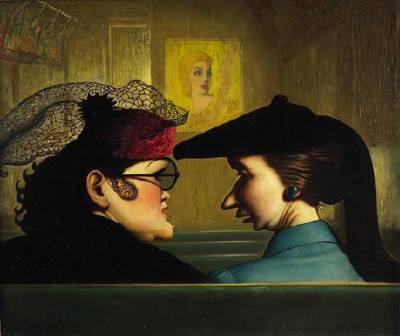
A leading member of the avant-garde Symbolism* artists movement in Chicago, Claude Buck moved there from his birth place of New York City in 1919. He was known for his "fantastic, sometimes disturbing images with allegorical and literary themes" (Kennedy 97) drawn from writings of Edgar Allen Poe, operas by Richard Wagner, classical mythology and "New Testament" writings from the Bible. Some of these early paintings had nude figures rendered in Classical* style to express abstract themes... Read full biography
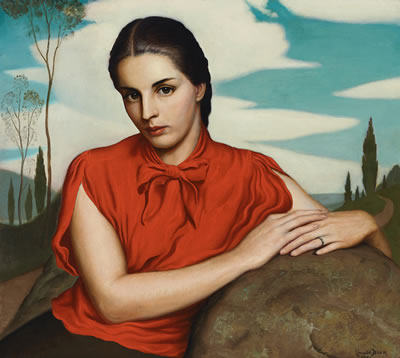
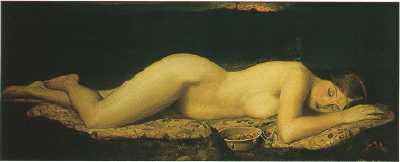
A leading member of the avant-garde Symbolism* artists movement in Chicago, Claude Buck moved there from his birth place of New York City in 1919. He was known for his "fantastic, sometimes disturbing images with allegorical and literary themes" (Kennedy 97) drawn from writings of Edgar Allen Poe, operas by Richard Wagner, classical mythology and "New Testament" writings from the Bible. Some of these early paintings had nude figures rendered in Classical* style to express abstract themes developed through dream-like landscapes and disregard of relative scale or relatedness between the figures. These paintings had Luminist* elements achieved with light-toned paints worked with transparent glazes. In the 1920s to earn money by gaining public... Read full biography
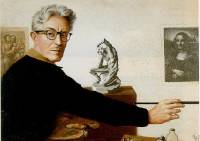
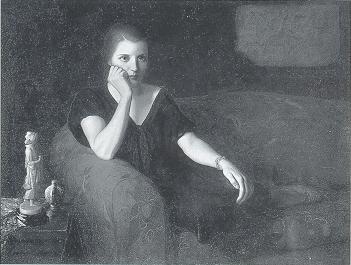
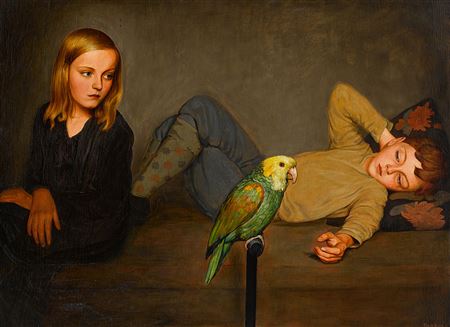
A leading member of the avant-garde Symbolism* artists movement in Chicago, Claude Buck moved there from his birth place of New York City in 1919. He was known for his "fantastic, sometimes disturbing images with allegorical and literary themes" (Kennedy 97) drawn from writings of Edgar Allen Poe, operas by Richard Wagner, classical mythology and "New Testament" writings from the Bible. Some of these early paintings had nude figures rendered in Classical* style to express abstract themes developed through dream-like landscapes and disregard of relative scale or relatedness between the figures. These paintings had Luminist* elements achieved with light-toned paints worked with transparent glazes. In the 1920s to earn money by gaining public favor and also expressing his increasing disdain for modernism, Buck did a number of hyperrealist* portraits, figures... Read full biography
Claude (Charles Claude) Buck - Art Prices in Auction LotsAuction Lots