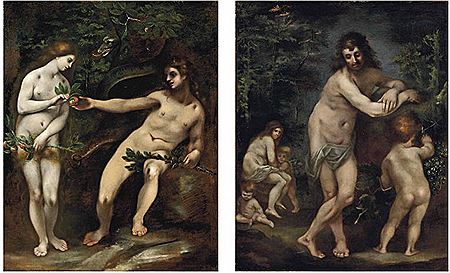
Little is known of the artistic education of Francesco Montelatici, known as Cecco Bravo, apparently on account of his violent temperament. He receives only a passing mention, as a student of... Read full biography
Little is known of the artistic education of Francesco Montelatici, known as Cecco Bravo, apparently on account of his violent temperament. He receives only a passing mention, as a student of Giovanni Bilivert, in Filippo Baldinucci’s account of 17th century Florentine painting. He is also thought... Read full biography
Little is known of the artistic education of Francesco Montelatici, known as Cecco Bravo, apparently on account of his violent temperament. He receives only a passing mention, as a student of Giovanni Bilivert, in Filippo Baldinucci’s account of 17th century Florentine painting. He is also thought to have been a pupil of Domenico Passignano and Matteo Rosselli, under whose supervision he worked on several fresco cycles in Florence in the 1620s. By 1629 Cecco Bravo had established his own studio... Read full biography
Little is known of the artistic education of Francesco Montelatici, known as Cecco Bravo, apparently on account of his violent temperament. He receives only a passing mention, as a student of Giovanni Bilivert, in Filippo Baldinucci’s account of 17th century Florentine painting. He is also thought to have been a pupil of Domenico Passignano and Matteo Rosselli, under whose supervision he worked on several fresco cycles in Florence in the 1620s. By 1629 Cecco Bravo had established his own studio in Florence and was admitted into the Accademia del Disegno. Apart from a few months in Emilia Romagna and Venice between 1630 and 1631, he worked in Florence and Tuscany for most of his career. In 1633 he decorated the cloister of the church of... Read full biography
Little is known of the artistic education of Francesco Montelatici, known as Cecco Bravo, apparently on account of his violent temperament. He receives only a passing mention, as a student of Giovanni Bilivert, in Filippo Baldinucci’s account of 17th century Florentine painting. He is also thought to have been a pupil of Domenico Passignano and Matteo Rosselli, under whose supervision he worked on several fresco cycles in Florence in the 1620s. By 1629 Cecco Bravo had established his own studio in Florence and was admitted into the Accademia del Disegno. Apart from a few months in Emilia Romagna and Venice between 1630 and 1631, he worked in Florence and Tuscany for most of his career. In 1633 he decorated the cloister of the church of Santissima Annunziata in Pistoia with a cycle of lunette frescoes of six scenes from the life of Bonaventura Bonaccorsi. Among his most significan... Read full biography
Francesco Montelatici Cecco Bravo - Art Prices in Auction LotsAuction Lots