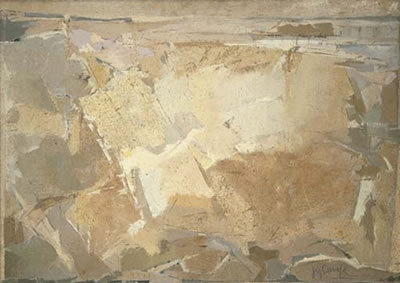
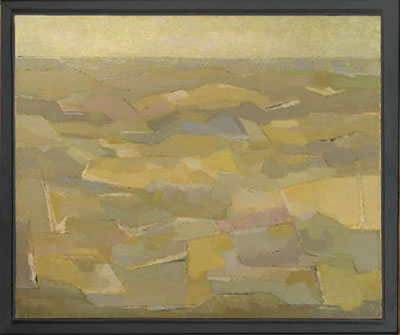
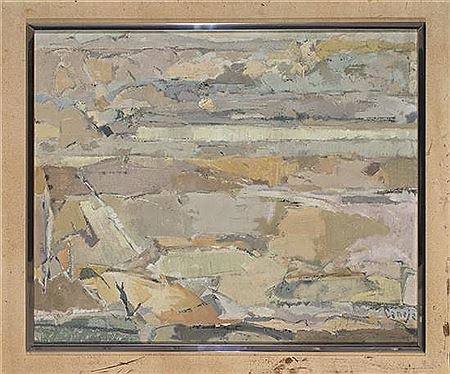
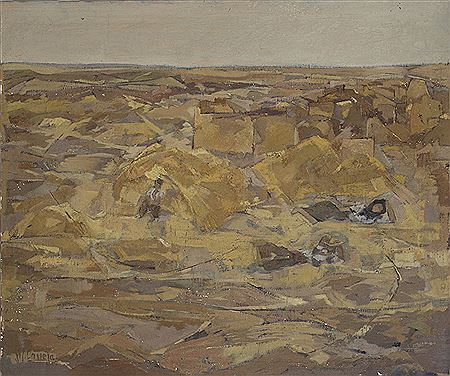
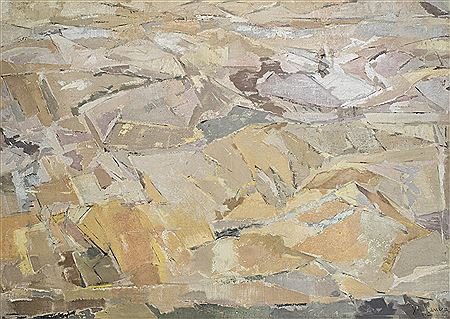
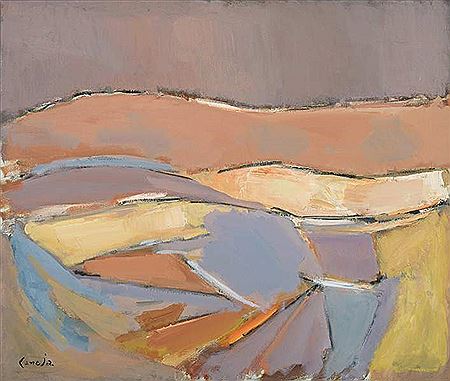
1905 Palencia - 1988. Known for: Cubist paintings of Castilian landscapes.
Juan Manuel Díaz Caneja was a Spanish painter who was known for his Cubist paintings of Castilian landscapes. He studied architecture in Madrid but left to pursue painting after discovering his...
Read full biography Juan Manuel Díaz Caneja was a Spanish painter who was known for his Cubist paintings of Castilian landscapes. He studied architecture in Madrid but left to pursue painting after discovering his passion for it. He actively participated in the avant-garde cultural life and met the members of the...
Read full biography Juan Manuel Díaz Caneja was a Spanish painter who was known for his Cubist paintings of Castilian landscapes. He studied architecture in Madrid but left to pursue painting after discovering his passion for it. He actively participated in the avant-garde cultural life and met the members of the Vallecas School. He saw and studied Cubism first hand when he spent the winter of 1929 in Paris. He joined the Communist Party of Spain and served on the Republican side during the Civil War. He was...
Read full biography Juan Manuel Díaz Caneja was a Spanish painter who was known for his Cubist paintings of Castilian landscapes. He studied architecture in Madrid but left to pursue painting after discovering his passion for it. He actively participated in the avant-garde cultural life and met the members of the Vallecas School. He saw and studied Cubism first hand when he spent the winter of 1929 in Paris. He joined the Communist Party of Spain and served on the Republican side during the Civil War. He was arrested and imprisoned in 1948 for his links with the Republicans but continued to paint. His work was recognized with several awards and is kept in important private collections all over the world and in important institutions. He died in 1985...
Read full biography Juan Manuel Díaz Caneja was a Spanish painter who was known for his Cubist paintings of Castilian landscapes. He studied architecture in Madrid but left to pursue painting after discovering his passion for it. He actively participated in the avant-garde cultural life and met the members of the Vallecas School. He saw and studied Cubism first hand when he spent the winter of 1929 in Paris. He joined the Communist Party of Spain and served on the Republican side during the Civil War. He was arrested and imprisoned in 1948 for his links with the Republicans but continued to paint. His work was recognized with several awards and is kept in important private collections all over the world and in important institutions. He died in 1985