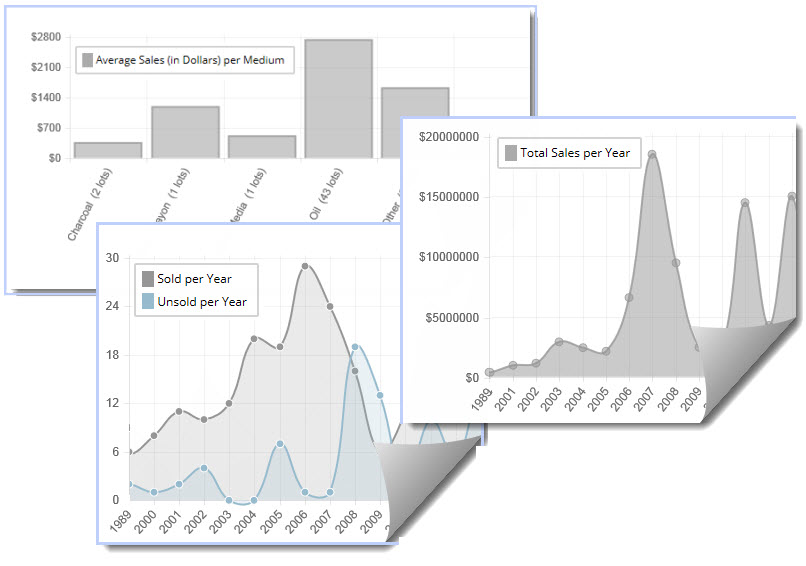
Hisashi Indo PRICE CHARTS
1925 Hokkaido, Japan - 2009. Known for: Highly textured monochromatic painting.
Hisashi Indo was far from a prolific artist, spending an extraordinary two and a half years to complete a work. He applied paint to canvas, allowed it to dry, polished the surface, applied further... Read full biography
Hisashi Indo was far from a prolific artist, spending an extraordinary two and a half years to complete a work. He applied paint to canvas, allowed it to dry, polished the surface, applied further paint and polished it again, painstakingly building up layer upon layer. The result is a purple,... Read full biography
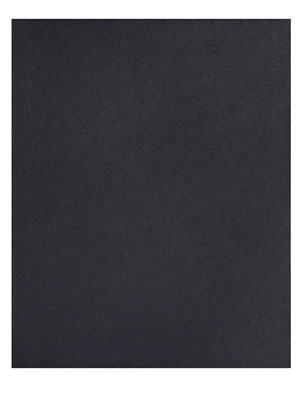
Hisashi Indo was far from a prolific artist, spending an extraordinary two and a half years to complete a work. He applied paint to canvas, allowed it to dry, polished the surface, applied further paint and polished it again, painstakingly building up layer upon layer. The result is a purple, almost black monochrome, producing an extraordinary level of complexity and texture using only one single colour. Although his early work included colour, in 1956 he visited Tokyo for the first time, and... Read full biography
Hisashi Indo was far from a prolific artist, spending an extraordinary two and a half years to complete a work. He applied paint to canvas, allowed it to dry, polished the surface, applied further paint and polished it again, painstakingly building up layer upon layer. The result is a purple, almost black monochrome, producing an extraordinary level of complexity and texture using only one single colour. Although his early work included colour, in 1956 he visited Tokyo for the first time, and saw first-hand the rapid post-war modernisation that had taken place, a stark contrast to the more rural Hokkaido he was accustomed to. His work became more simplified and abstract, focusing on white, black and brown and green, however he began... Read full biography
Hisashi Indo was far from a prolific artist, spending an extraordinary two and a half years to complete a work. He applied paint to canvas, allowed it to dry, polished the surface, applied further paint and polished it again, painstakingly building up layer upon layer. The result is a purple, almost black monochrome, producing an extraordinary level of complexity and texture using only one single colour. Although his early work included colour, in 1956 he visited Tokyo for the first time, and saw first-hand the rapid post-war modernisation that had taken place, a stark contrast to the more rural Hokkaido he was accustomed to. His work became more simplified and abstract, focusing on white, black and brown and green, however he began looking for a colour that for him represented neutral space and found purple, a colour he used until the end of his life. Work by the... Read full biography