Andrei Franzowitsch Belloli PRICE CHARTS
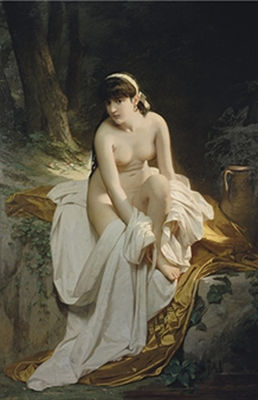
1820 - 1881. Known for: Decorative architectural painting, portraits of women and children.
Andrei Belloli studied art at the Accademia di San Luca. During the Revolutions of 1848, he left Italy. In 1850, he settled in Saint Petersburg and initially worked as a decorative painter for... Read full biography
Andrei Belloli studied art at the Accademia di San Luca. During the Revolutions of 1848, he left Italy. In 1850, he settled in Saint Petersburg and initially worked as a decorative painter for churches and palaces; creating everything from small door decorations to plafonds. Later he began to do... Read full biography
Andrei Belloli studied art at the Accademia di San Luca. During the Revolutions of 1848, he left Italy. In 1850, he settled in Saint Petersburg and initially worked as a decorative painter for churches and palaces; creating everything from small door decorations to plafonds. Later he began to do portraits; mostly of women and children, in oils and colored pencils. He participated regularly in exhibitions and, in 1861, was named an "Academician" for portrait painting by the Imperial Academy of... Read full biography
Andrei Belloli studied art at the Accademia di San Luca. During the Revolutions of 1848, he left Italy. In 1850, he settled in Saint Petersburg and initially worked as a decorative painter for churches and palaces; creating everything from small door decorations to plafonds. Later he began to do portraits; mostly of women and children, in oils and colored pencils. He participated regularly in exhibitions and, in 1861, was named an "Academician" for portrait painting by the Imperial Academy of Arts. In 1869, he organized an exhibition and sale, with the proceeds to benefit poor students and the widows and orphans of artists. In 1870, for his fiftieth birthday, he was awarded the Order of St. Stanislaus. That same year, he donated one of his... Read full biography
Andrei Belloli studied art at the Accademia di San Luca. During the Revolutions of 1848, he left Italy. In 1850, he settled in Saint Petersburg and initially worked as a decorative painter for churches and palaces; creating everything from small door decorations to plafonds. Later he began to do portraits; mostly of women and children, in oils and colored pencils. He participated regularly in exhibitions and, in 1861, was named an "Academician" for portrait painting by the Imperial Academy of Arts. In 1869, he organized an exhibition and sale, with the proceeds to benefit poor students and the widows and orphans of artists. In 1870, for his fiftieth birthday, he was awarded the Order of St. Stanislaus. That same year, he donated one of his best-known works After the Bath to the Academy's museum. He created several variations on this theme, one of which (The... Read full biography