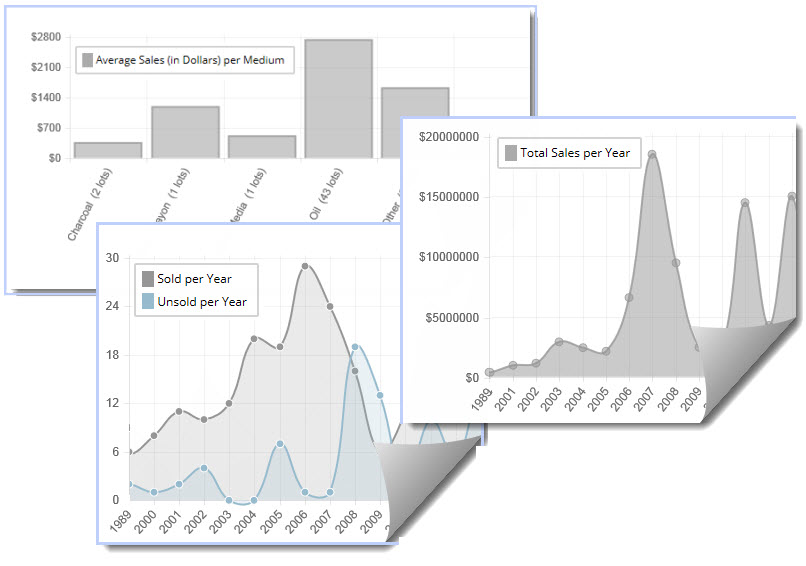
Domenico Cantatore PRICE CHARTS
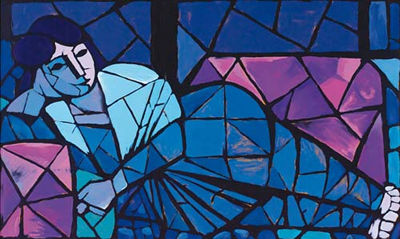
1906 Ruvo di Puglia - 1998 Parigi. Known for: Drypoint engraving, realism, expressionism.
Domenico Cantatore, born in 1906 in Ruvo di Puglia, Italy, was an artist known for his works in drypoint engraving, realism, and expressionism. He moved to Milan in 1924, where he joined the Corrente... Read full biography
Domenico Cantatore, born in 1906 in Ruvo di Puglia, Italy, was an artist known for his works in drypoint engraving, realism, and expressionism. He moved to Milan in 1924, where he joined the Corrente artistic group and held his first solo show in 1929. Cantatore later moved to Paris in 1932, where... Read full biography
Domenico Cantatore, born in 1906 in Ruvo di Puglia, Italy, was an artist known for his works in drypoint engraving, realism, and expressionism. He moved to Milan in 1924, where he joined the Corrente artistic group and held his first solo show in 1929. Cantatore later moved to Paris in 1932, where he was influenced by impressionist painting, Picasso, and the Fauves. He exhibited his works at various prestigious events such as the Venice Biennale, the Bergamo Prize, and the Rome Quadrennial.... Read full biography
Domenico Cantatore, born in 1906 in Ruvo di Puglia, Italy, was an artist known for his works in drypoint engraving, realism, and expressionism. He moved to Milan in 1924, where he joined the Corrente artistic group and held his first solo show in 1929. Cantatore later moved to Paris in 1932, where he was influenced by impressionist painting, Picasso, and the Fauves. He exhibited his works at various prestigious events such as the Venice Biennale, the Bergamo Prize, and the Rome Quadrennial. Cantatore taught figure drawing at the Art School in 1940 and became a painting professor at the Faculty of Fine Arts of Brera in 1950. His artistic production evolved from intimate subjects to works with social accents, including the famous Odalisque... Read full biography
Domenico Cantatore, born in 1906 in Ruvo di Puglia, Italy, was an artist known for his works in drypoint engraving, realism, and expressionism. He moved to Milan in 1924, where he joined the Corrente artistic group and held his first solo show in 1929. Cantatore later moved to Paris in 1932, where he was influenced by impressionist painting, Picasso, and the Fauves. He exhibited his works at various prestigious events such as the Venice Biennale, the Bergamo Prize, and the Rome Quadrennial. Cantatore taught figure drawing at the Art School in 1940 and became a painting professor at the Faculty of Fine Arts of Brera in 1950. His artistic production evolved from intimate subjects to works with social accents, including the famous Odalisque series and depictions of landscapes and figures of poor people from the south.