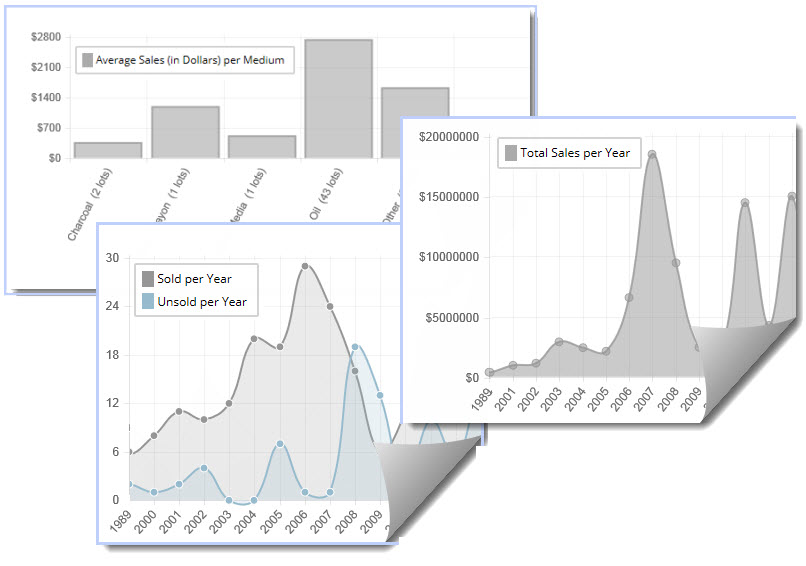
Josep Maria Vayreda Canadell PRICE CHARTS
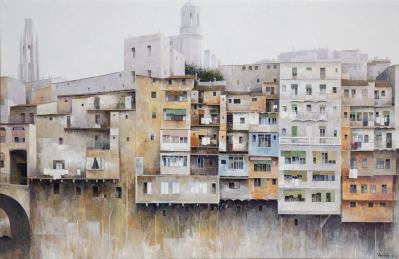
1932 - 2001. Known for: Personal realism, structured figuration based on an ordering of geometric forms.
Josep Maria Vayreda was a Spanish artist born into a family with a strong connection to art. He developed his training at the School of Fine Arts in Olot, Spain, and began simplifying figurative... Read full biography
Josep Maria Vayreda was a Spanish artist born into a family with a strong connection to art. He developed his training at the School of Fine Arts in Olot, Spain, and began simplifying figurative elements early on. He later entered the world of abstraction and informalism before returning to... Read full biography
Josep Maria Vayreda was a Spanish artist born into a family with a strong connection to art. He developed his training at the School of Fine Arts in Olot, Spain, and began simplifying figurative elements early on. He later entered the world of abstraction and informalism before returning to figuration in 1958 with a structured style based on geometric forms. His work includes landscapes, figures, and still lifes, and he exhibited his work in numerous European and North American cities. His work... Read full biography
Josep Maria Vayreda was a Spanish artist born into a family with a strong connection to art. He developed his training at the School of Fine Arts in Olot, Spain, and began simplifying figurative elements early on. He later entered the world of abstraction and informalism before returning to figuration in 1958 with a structured style based on geometric forms. His work includes landscapes, figures, and still lifes, and he exhibited his work in numerous European and North American cities. His work is present in museums around the world, but it is especially appreciated in the United States.
Josep Maria Vayreda was a Spanish artist born into a family with a strong connection to art. He developed his training at the School of Fine Arts in Olot, Spain, and began simplifying figurative elements early on. He later entered the world of abstraction and informalism before returning to figuration in 1958 with a structured style based on geometric forms. His work includes landscapes, figures, and still lifes, and he exhibited his work in numerous European and North American cities. His work is present in museums around the world, but it is especially appreciated in the United States.