Luis Madrazo Y Kuntz PRICE CHARTS
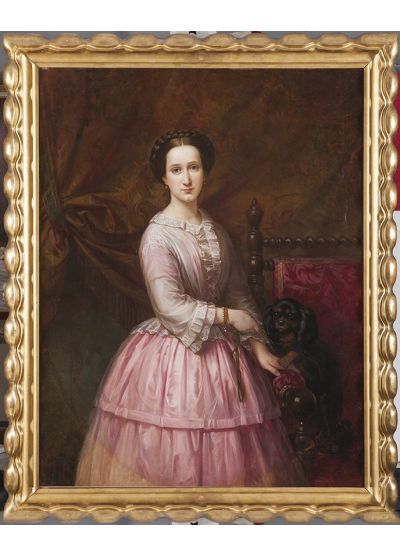
1825 - 1897. Known for: Portraiture, religious and historical themes, Nazarene influence.
Luis de Madrazo was a Spanish artist born in the 19th century. He was the son of José de Madrazo and brother of Federico and Pedro. He was a renowned portraitist and also worked on religious and... Read full biography
Luis de Madrazo was a Spanish artist born in the 19th century. He was the son of José de Madrazo and brother of Federico and Pedro. He was a renowned portraitist and also worked on religious and historical themes. He received his training from his father and later at the San Fernando School in... Read full biography
Luis de Madrazo was a Spanish artist born in the 19th century. He was the son of José de Madrazo and brother of Federico and Pedro. He was a renowned portraitist and also worked on religious and historical themes. He received his training from his father and later at the San Fernando School in Madrid. He furthered his studies in Rome, Paris, Venice, Munich, and Berlin. He settled in Pompeii with other painters before returning to Spain to begin his teaching career. He was known for his work's... Read full biography
Luis de Madrazo was a Spanish artist born in the 19th century. He was the son of José de Madrazo and brother of Federico and Pedro. He was a renowned portraitist and also worked on religious and historical themes. He received his training from his father and later at the San Fernando School in Madrid. He furthered his studies in Rome, Paris, Venice, Munich, and Berlin. He settled in Pompeii with other painters before returning to Spain to begin his teaching career. He was known for his work's purity of lines and sharpness of color and light, which reflected the Nazarene aesthetic. He won several awards and was represented in various public and private collections. He died in an unknown year
Luis de Madrazo was a Spanish artist born in the 19th century. He was the son of José de Madrazo and brother of Federico and Pedro. He was a renowned portraitist and also worked on religious and historical themes. He received his training from his father and later at the San Fernando School in Madrid. He furthered his studies in Rome, Paris, Venice, Munich, and Berlin. He settled in Pompeii with other painters before returning to Spain to begin his teaching career. He was known for his work's purity of lines and sharpness of color and light, which reflected the Nazarene aesthetic. He won several awards and was represented in various public and private collections. He died in an unknown year