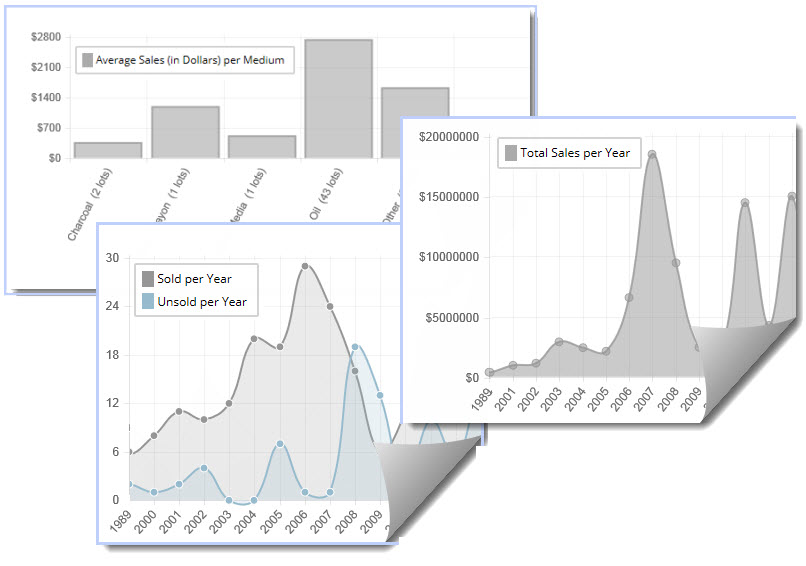
Giovanni Antonio Burrini PRICE CHARTS
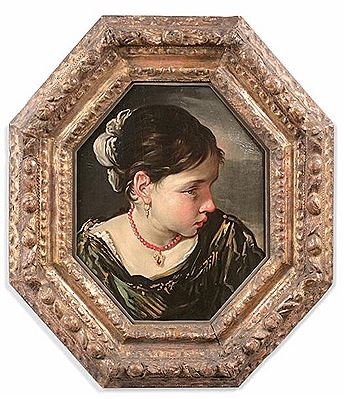
1656 - 1727. Known for: Fresco and alterpiece painting.
Giovanni Antonio Burrini's Baroque style, colorfully dramatic, impetuous and passionate, contrasts with the cool refinement of the classical art of Carlo Cignani and Marcantonio Franceschini. Until... Read full biography
Giovanni Antonio Burrini's Baroque style, colorfully dramatic, impetuous and passionate, contrasts with the cool refinement of the classical art of Carlo Cignani and Marcantonio Franceschini. Until 1672 he trained in the studio of Domenico Maria Canuti, and then with Lorenzo Pasinelli. He was a... Read full biography
Giovanni Antonio Burrini's Baroque style, colorfully dramatic, impetuous and passionate, contrasts with the cool refinement of the classical art of Carlo Cignani and Marcantonio Franceschini. Until 1672 he trained in the studio of Domenico Maria Canuti, and then with Lorenzo Pasinelli. He was a pioneer of a neo-Venetian movement in Bolognese painting in the 17th century. Burrini began as a fresco decorator and during the same period he established his reputation as a painter of altarpieces. He... Read full biography
Giovanni Antonio Burrini's Baroque style, colorfully dramatic, impetuous and passionate, contrasts with the cool refinement of the classical art of Carlo Cignani and Marcantonio Franceschini. Until 1672 he trained in the studio of Domenico Maria Canuti, and then with Lorenzo Pasinelli. He was a pioneer of a neo-Venetian movement in Bolognese painting in the 17th century. Burrini began as a fresco decorator and during the same period he established his reputation as a painter of altarpieces. He shared a studio with Giuseppe Maria Crespi for two years between 1686 and 1688 and was possibly influential in encouraging the development of Crespi's forceful painterly style. Burrini was among the artists who founded the Accademia Clementina in... Read full biography
Giovanni Antonio Burrini's Baroque style, colorfully dramatic, impetuous and passionate, contrasts with the cool refinement of the classical art of Carlo Cignani and Marcantonio Franceschini. Until 1672 he trained in the studio of Domenico Maria Canuti, and then with Lorenzo Pasinelli. He was a pioneer of a neo-Venetian movement in Bolognese painting in the 17th century. Burrini began as a fresco decorator and during the same period he established his reputation as a painter of altarpieces. He shared a studio with Giuseppe Maria Crespi for two years between 1686 and 1688 and was possibly influential in encouraging the development of Crespi's forceful painterly style. Burrini was among the artists who founded the Accademia Clementina in Bologna in 1709. He took an active part in its affairs and was its seventh director between 1723 and 172... Read full biography