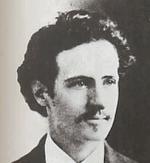
Born in New York City, Ralph Blakelock earned a reputation for nocturnal, misty scenes, especially moonlit landscapes, large oak trees, and Indian encampments. He also did a small number of floral... Read full biography
Born in New York City, Ralph Blakelock earned a reputation for nocturnal, misty scenes, especially moonlit landscapes, large oak trees, and Indian encampments. He also did a small number of floral still lifes. His work has a mysterious quality, which some associated with the type of music he... Read full biography
Born in New York City, Ralph Blakelock earned a reputation for nocturnal, misty scenes, especially moonlit landscapes, large oak trees, and Indian encampments. He also did a small number of floral still lifes. His work has a mysterious quality, which some associated with the type of music he habitually played on the piano during interludes from his painting. Towards the end of his career, his paintings became increasingly haunting, a reflection of his insanity brought on by horrible poverty and... Read full biography
Born in New York City, Ralph Blakelock earned a reputation for nocturnal, misty scenes, especially moonlit landscapes, large oak trees, and Indian encampments. He also did a small number of floral still lifes. His work has a mysterious quality, which some associated with the type of music he habitually played on the piano during interludes from his painting. Towards the end of his career, his paintings became increasingly haunting, a reflection of his insanity brought on by horrible poverty and his inability to support his family of nine children. He was both a late exponent of the Hudson River School of painting and also of the American West. He also foreshadowed the romantic, visionary, and modern tendencies that marked the turn of the... Read full biography
Born in New York City, Ralph Blakelock earned a reputation for nocturnal, misty scenes, especially moonlit landscapes, large oak trees, and Indian encampments. He also did a small number of floral still lifes. His work has a mysterious quality, which some associated with the type of music he habitually played on the piano during interludes from his painting. Towards the end of his career, his paintings became increasingly haunting, a reflection of his insanity brought on by horrible poverty and his inability to support his family of nine children. He was both a late exponent of the Hudson River School of painting and also of the American West. He also foreshadowed the romantic, visionary, and modern tendencies that marked the turn of the 19th to 20th centuries. This romanticism, especially of escapism, was increasingly pronounced towards... Read full biography