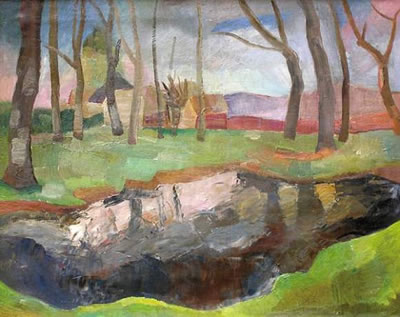
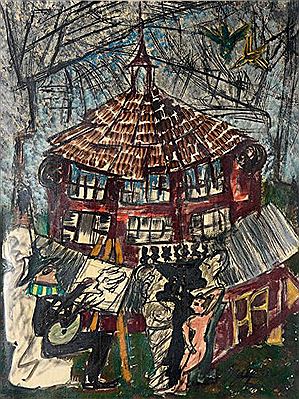
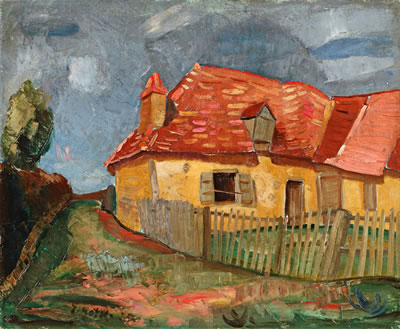
1899 - 1944 Auschwitz. Known for: Post-Impressionism, Cubism, watercolors, graphics, woodcuts.
Jacques Gotko was a Belarusian painter of Jewish origin who studied architecture and scenography at the École des Beaux-Arts in Paris. His period of recognition and creative prosperity was...
Read full biography Jacques Gotko was a Belarusian painter of Jewish origin who studied architecture and scenography at the École des Beaux-Arts in Paris. His period of recognition and creative prosperity was interrupted by his arrest in 1941 due to persecution of people of Jewish origin in France. Gotko was...
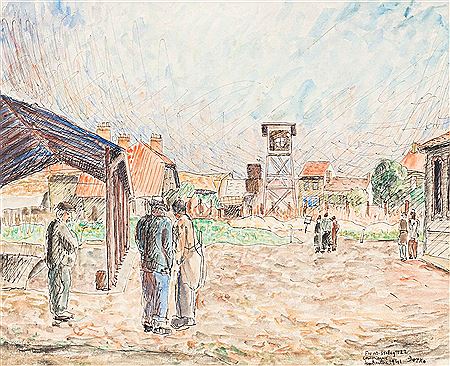
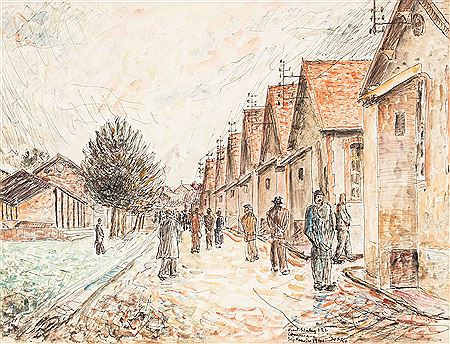
Read full biography Jacques Gotko was a Belarusian painter of Jewish origin who studied architecture and scenography at the École des Beaux-Arts in Paris. His period of recognition and creative prosperity was interrupted by his arrest in 1941 due to persecution of people of Jewish origin in France. Gotko was transported to the camp in Compiegne, where his studio and paintings were destroyed. He continued to create during his stay in the camp, producing watercolors, graphics, and woodcuts. In September 1942, he was...
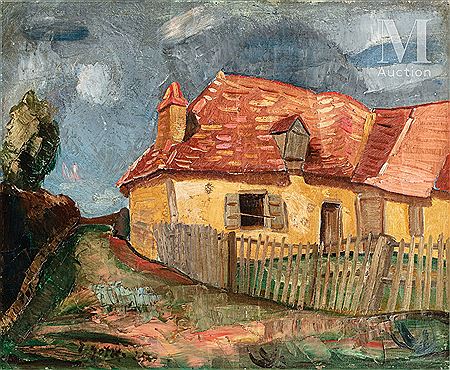
Read full biography Jacques Gotko was a Belarusian painter of Jewish origin who studied architecture and scenography at the École des Beaux-Arts in Paris. His period of recognition and creative prosperity was interrupted by his arrest in 1941 due to persecution of people of Jewish origin in France. Gotko was transported to the camp in Compiegne, where his studio and paintings were destroyed. He continued to create during his stay in the camp, producing watercolors, graphics, and woodcuts. In September 1942, he was transported to the Drancy camp and witnessed his mother and sister being sent to Auschwitz for transport. He was soon transported there himself, where he died of typhus in 1944. Gotko's work is a blend of post-impressionist and cubist styles, and...
Read full biography Jacques Gotko was a Belarusian painter of Jewish origin who studied architecture and scenography at the École des Beaux-Arts in Paris. His period of recognition and creative prosperity was interrupted by his arrest in 1941 due to persecution of people of Jewish origin in France. Gotko was transported to the camp in Compiegne, where his studio and paintings were destroyed. He continued to create during his stay in the camp, producing watercolors, graphics, and woodcuts. In September 1942, he was transported to the Drancy camp and witnessed his mother and sister being sent to Auschwitz for transport. He was soon transported there himself, where he died of typhus in 1944. Gotko's work is a blend of post-impressionist and cubist styles, and his artwork includes watercolors, graphics, and woodcuts.