Born in 1932, Olga de Amaral is one of the foremost textile artists in Latin America. Trained in the United States at the prestigious Cranbrook Academy of Art in Michigan, her work is equally... Read full biography
Born in 1932, Olga de Amaral is one of the foremost textile artists in Latin America. Trained in the United States at the prestigious Cranbrook Academy of Art in Michigan, her work is equally informed by aspects of modernism, contemporary design, indigenous and colonial arts of the Americas, as... Read full biography
Born in 1932, Olga de Amaral is one of the foremost textile artists in Latin America. Trained in the United States at the prestigious Cranbrook Academy of Art in Michigan, her work is equally informed by aspects of modernism, contemporary design, indigenous and colonial arts of the Americas, as well as traditional Japanese art. In a career spanning over five decades, Amaral has crafted a distinct approach to weaving that embraces a plethora of cultural and artistic sources while ably... Read full biography
Born in 1932, Olga de Amaral is one of the foremost textile artists in Latin America. Trained in the United States at the prestigious Cranbrook Academy of Art in Michigan, her work is equally informed by aspects of modernism, contemporary design, indigenous and colonial arts of the Americas, as well as traditional Japanese art. In a career spanning over five decades, Amaral has crafted a distinct approach to weaving that embraces a plethora of cultural and artistic sources while ably transcending the boundaries of craft, painting, sculpture, and installation art. In the mid-1970s Amaral introduced the use of gold as an essential formal and signifying element in her woven work. The latter would soon become her signature leitmotif--one that... Read full biography
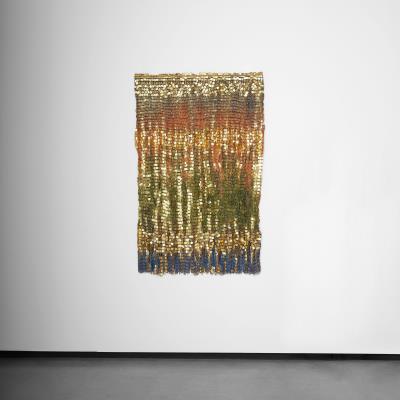
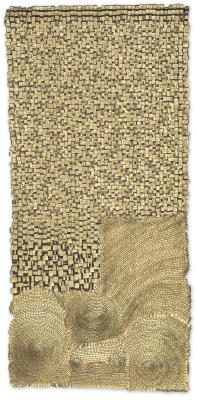
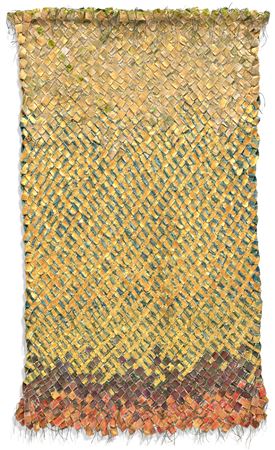
Born in 1932, Olga de Amaral is one of the foremost textile artists in Latin America. Trained in the United States at the prestigious Cranbrook Academy of Art in Michigan, her work is equally informed by aspects of modernism, contemporary design, indigenous and colonial arts of the Americas, as well as traditional Japanese art. In a career spanning over five decades, Amaral has crafted a distinct approach to weaving that embraces a plethora of cultural and artistic sources while ably transcending the boundaries of craft, painting, sculpture, and installation art. In the mid-1970s Amaral introduced the use of gold as an essential formal and signifying element in her woven work. The latter would soon become her signature leitmotif--one that eschews mere ornamentation in favor of asserting its enduring presence as one of the most basic materials among different... Read full biography
Olga de Amaral - Art Prices in Auction LotsAuction Lots