Robert Oliffe Gage Richmond internationally acclaimed expatriate sculptor, was born in Hobart in 1919. Richmond studied art at the Hobart Technical College from 1937 to 1941. At ballet classes and... Read full biography
Robert Oliffe Gage Richmond internationally acclaimed expatriate sculptor, was born in Hobart in 1919. Richmond studied art at the Hobart Technical College from 1937 to 1941. At ballet classes and wrestling matches he observed the stresses and tensions of human bodies in exertion. Henceforth... Read full biography
Robert Oliffe Gage Richmond internationally acclaimed expatriate sculptor, was born in Hobart in 1919. Richmond studied art at the Hobart Technical College from 1937 to 1941. At ballet classes and wrestling matches he observed the stresses and tensions of human bodies in exertion. Henceforth physicality informed all his work. From 1945 he studied sculpture with Lyndon Dadswell at East Sydney Technical College and in 1948 won a scholarship and moved to England. Richmond intermittently assisted... Read full biography
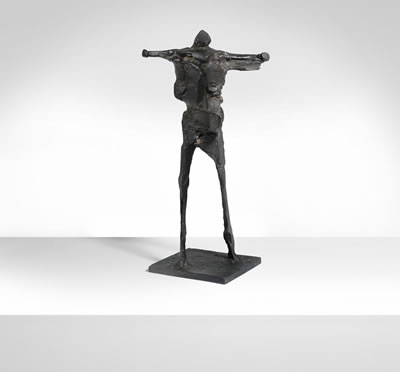
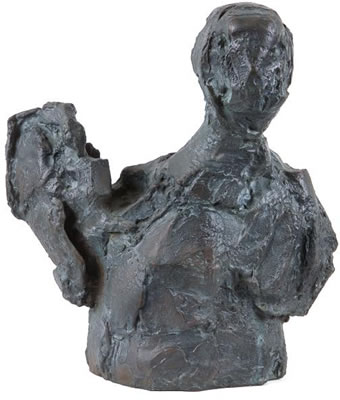
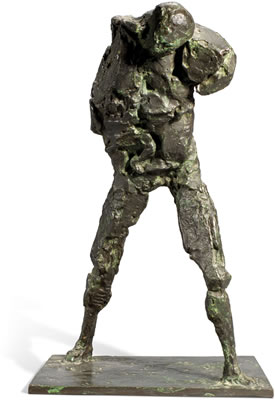
Robert Oliffe Gage Richmond internationally acclaimed expatriate sculptor, was born in Hobart in 1919. Richmond studied art at the Hobart Technical College from 1937 to 1941. At ballet classes and wrestling matches he observed the stresses and tensions of human bodies in exertion. Henceforth physicality informed all his work. From 1945 he studied sculpture with Lyndon Dadswell at East Sydney Technical College and in 1948 won a scholarship and moved to England. Richmond intermittently assisted Henry Moore until 1956, when he became lecturer at the Chelsea School of Art. In the 1960's his mature style of disturbing bronze figures fitted into the British post-war humanist traditions, but later he combined machined aluminium parts into more... Read full biography
Robert Oliffe Gage Richmond internationally acclaimed expatriate sculptor, was born in Hobart in 1919. Richmond studied art at the Hobart Technical College from 1937 to 1941. At ballet classes and wrestling matches he observed the stresses and tensions of human bodies in exertion. Henceforth physicality informed all his work. From 1945 he studied sculpture with Lyndon Dadswell at East Sydney Technical College and in 1948 won a scholarship and moved to England. Richmond intermittently assisted Henry Moore until 1956, when he became lecturer at the Chelsea School of Art. In the 1960's his mature style of disturbing bronze figures fitted into the British post-war humanist traditions, but later he combined machined aluminium parts into more abstract constructions which retain human echoes. So do his last works, tow... Read full biography
Oliffe Richmond - Art Prices in Auction LotsAuction Lots