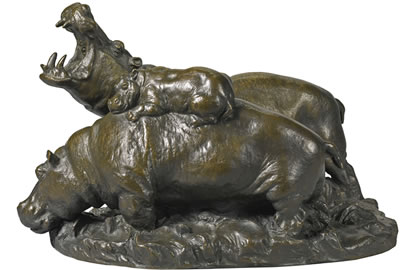
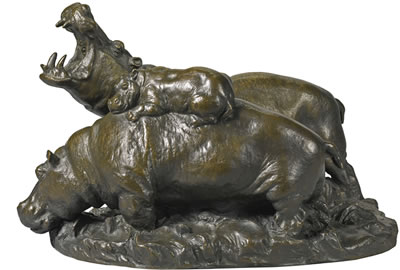
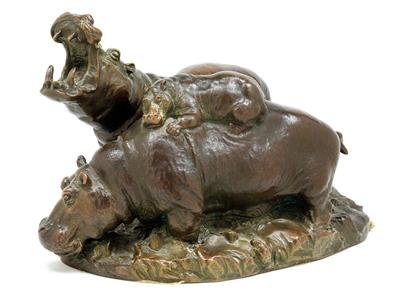
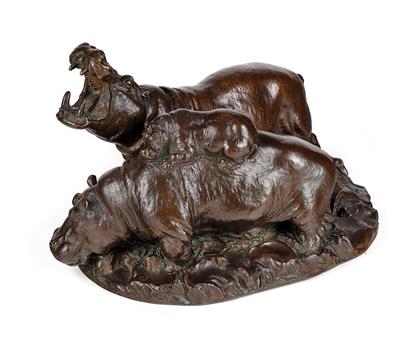
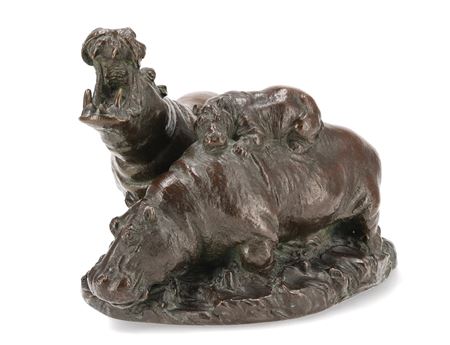
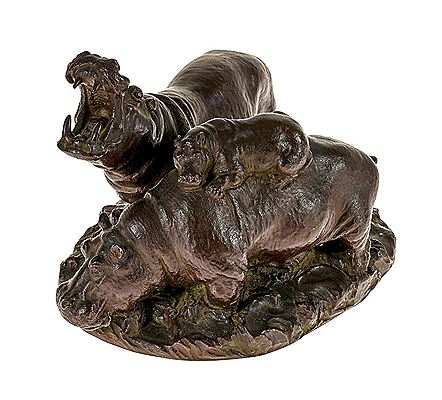
1856 Uppsala, Sweden - 1915 Vienna, Austria. Known for: Animal sculpture.
Otto (Johan Otto) Jarl (1856-1915). Born in Sweden, he began his studies at the Technical School in Stockholm. Starting out doing portrait sculpture, he switched to animal sculpture after he had...
Read full biography Otto (Johan Otto) Jarl (1856-1915). Born in Sweden, he began his studies at the Technical School in Stockholm. Starting out doing portrait sculpture, he switched to animal sculpture after he had moved to Vienna, Austria. He worked with J. Weitmann and studied at the Art Academy with E. V. Helmer...
Read full biography Otto (Johan Otto) Jarl (1856-1915). Born in Sweden, he began his studies at the Technical School in Stockholm. Starting out doing portrait sculpture, he switched to animal sculpture after he had moved to Vienna, Austria. He worked with J. Weitmann and studied at the Art Academy with E. V. Helmer and F. Schmidt. Subsequently he created many models for Meissen and other porcelain manufacturers. His true to life animalier works were cast in bronze and cold painted in the Viennese tradition as well...
Read full biography Otto (Johan Otto) Jarl (1856-1915). Born in Sweden, he began his studies at the Technical School in Stockholm. Starting out doing portrait sculpture, he switched to animal sculpture after he had moved to Vienna, Austria. He worked with J. Weitmann and studied at the Art Academy with E. V. Helmer and F. Schmidt. Subsequently he created many models for Meissen and other porcelain manufacturers. His true to life animalier works were cast in bronze and cold painted in the Viennese tradition as well as cast in traditional brown patina by Swedish foundries. He also created a large seated lion monument at the Castle in Graz, Austria. His daughter Karin also became a sculptor. His works are in the collections of the Stockholm National Museum and...
Read full biography Otto (Johan Otto) Jarl (1856-1915). Born in Sweden, he began his studies at the Technical School in Stockholm. Starting out doing portrait sculpture, he switched to animal sculpture after he had moved to Vienna, Austria. He worked with J. Weitmann and studied at the Art Academy with E. V. Helmer and F. Schmidt. Subsequently he created many models for Meissen and other porcelain manufacturers. His true to life animalier works were cast in bronze and cold painted in the Viennese tradition as well as cast in traditional brown patina by Swedish foundries. He also created a large seated lion monument at the Castle in Graz, Austria. His daughter Karin also became a sculptor. His works are in the collections of the Stockholm National Museum and several museums in Vienna. Sources include:. open internet sources