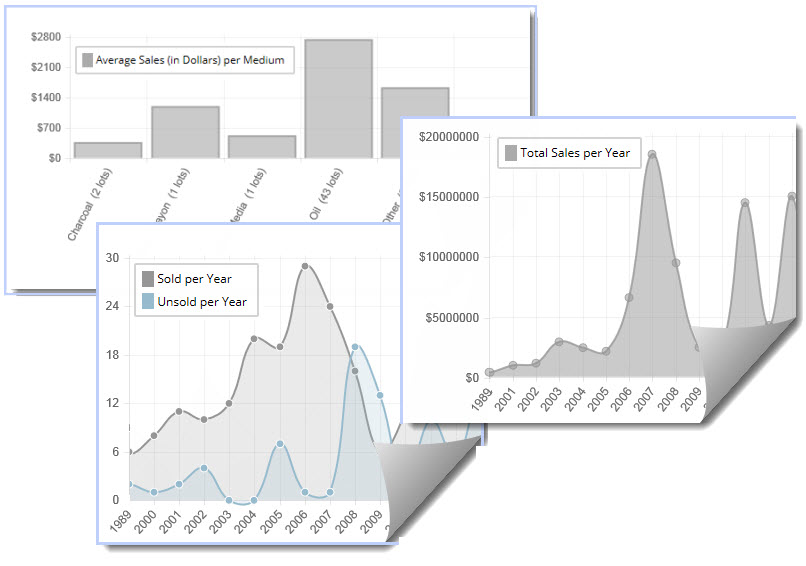
Alexandre Kelety PRICE CHARTS
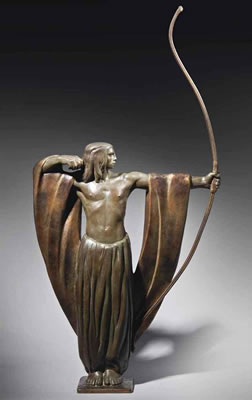
1874 Budapest, Hungary - 1940. Known for: Art-deco sculpture, ceramics, painting.
Alexander Kelety was born in Budapest, Hungary. He worked from 1918 until his death in 1940. He studied sculpture at Toulouse, France with Imre Seamy before studying in Paris where he exhibited at... Read full biography
Alexander Kelety was born in Budapest, Hungary. He worked from 1918 until his death in 1940. He studied sculpture at Toulouse, France with Imre Seamy before studying in Paris where he exhibited at the salons in the years between the wars. Known as an Art Deco* period sculptor, he sculpted the human... Read full biography
Alexander Kelety was born in Budapest, Hungary. He worked from 1918 until his death in 1940. He studied sculpture at Toulouse, France with Imre Seamy before studying in Paris where he exhibited at the salons in the years between the wars. Known as an Art Deco* period sculptor, he sculpted the human form and animals with grace and a flowing movement. He worked primarily in bronze, but also worked in ceramics and painting. Submitted by Chris Gilliam, whose sources are:.... Read full biography
Alexander Kelety was born in Budapest, Hungary. He worked from 1918 until his death in 1940. He studied sculpture at Toulouse, France with Imre Seamy before studying in Paris where he exhibited at the salons in the years between the wars. Known as an Art Deco* period sculptor, he sculpted the human form and animals with grace and a flowing movement. He worked primarily in bronze, but also worked in ceramics and painting. Submitted by Chris Gilliam, whose sources are:. www.decodame.com/decorativearts/das98.htm and www.sheryls-artdeco.com/sculptors.html
Alexander Kelety was born in Budapest, Hungary. He worked from 1918 until his death in 1940. He studied sculpture at Toulouse, France with Imre Seamy before studying in Paris where he exhibited at the salons in the years between the wars. Known as an Art Deco* period sculptor, he sculpted the human form and animals with grace and a flowing movement. He worked primarily in bronze, but also worked in ceramics and painting. Submitted by Chris Gilliam, whose sources are:. www.decodame.com/decorativearts/das98.htm and www.sheryls-artdeco.com/sculptors.html