Cesar Legaspi PRICE CHARTS
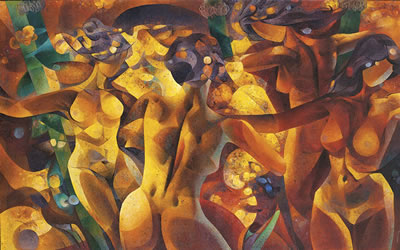
1917 Manila, Philippines - 1994. Known for: Abstract, cubist figurative painting, illustration, advertising art.
Cesar Legaspi on April 2, 1917 in Tondo, Manila was a Filipino National Artist awardee in painting. He was also an art director prior to going full-time in his visual art practice in the 1960s. His... Read full biography
Cesar Legaspi on April 2, 1917 in Tondo, Manila was a Filipino National Artist awardee in painting. He was also an art director prior to going full-time in his visual art practice in the 1960s. His early (1940s-1960s) works, alongside those of peer, Hernando Ocampo are described as depictions of... Read full biography
Cesar Legaspi on April 2, 1917 in Tondo, Manila was a Filipino National Artist awardee in painting. He was also an art director prior to going full-time in his visual art practice in the 1960s. His early (1940s-1960s) works, alongside those of peer, Hernando Ocampo are described as depictions of anguish and dehumanization of beggars and laborers in the city. These include Man and Woman (alternatively known as Beggars) and Gadgets'. Primarily because of this early period, critics have further... Read full biography
Cesar Legaspi on April 2, 1917 in Tondo, Manila was a Filipino National Artist awardee in painting. He was also an art director prior to going full-time in his visual art practice in the 1960s. His early (1940s-1960s) works, alongside those of peer, Hernando Ocampo are described as depictions of anguish and dehumanization of beggars and laborers in the city. These include Man and Woman (alternatively known as Beggars) and Gadgets'. Primarily because of this early period, critics have further cited Legaspi's having "reconstituted" in his paintings "cubism's unfeeling, geometric ordering of figures into a social expressionism rendered by interacting forms filled with rhythmic movement". Legaspi was born to Manuel Legaspi and Rosario Torrente... Read full biography
Cesar Legaspi on April 2, 1917 in Tondo, Manila was a Filipino National Artist awardee in painting. He was also an art director prior to going full-time in his visual art practice in the 1960s. His early (1940s-1960s) works, alongside those of peer, Hernando Ocampo are described as depictions of anguish and dehumanization of beggars and laborers in the city. These include Man and Woman (alternatively known as Beggars) and Gadgets'. Primarily because of this early period, critics have further cited Legaspi's having "reconstituted" in his paintings "cubism's unfeeling, geometric ordering of figures into a social expressionism rendered by interacting forms filled with rhythmic movement". Legaspi was born to Manuel Legaspi and Rosario Torrente in Tondo, Manila. He took up painting for one term at the University of the Philippines School of Fine Arts before he deci... Read full biography