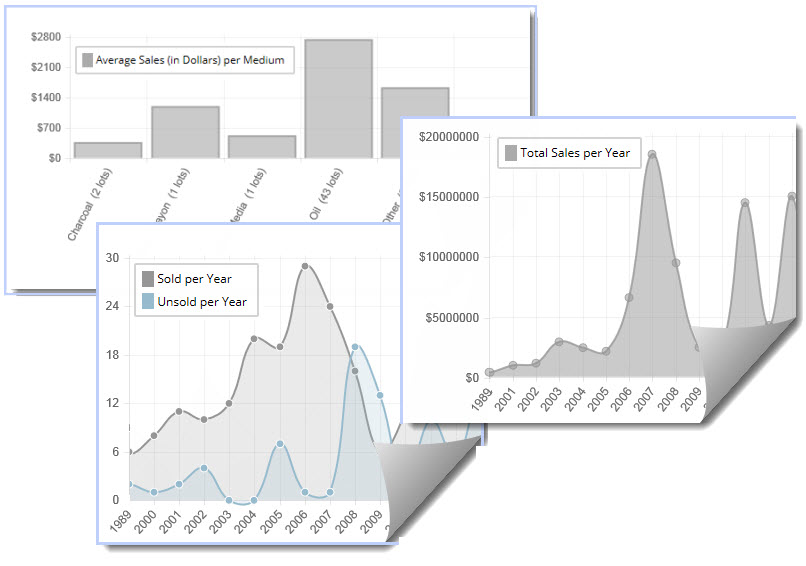
Charles Hancock PRICE CHARTS
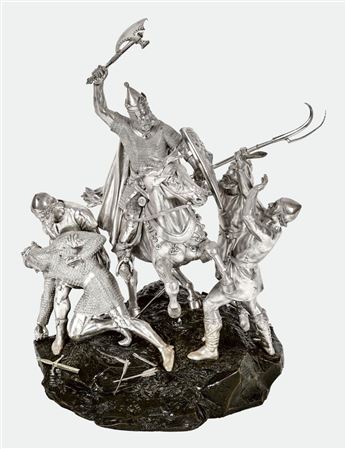
1795 Birmingham - 1868 London. Known for: Paintings.
Charles Frederick Hancock, born in 1809 in Birmingham, was a renowned British silversmith known for his intricate filigree-worked silver compositions. After training as a goldsmith, he became a... Read full biography
Charles Frederick Hancock, born in 1809 in Birmingham, was a renowned British silversmith known for his intricate filigree-worked silver compositions. After training as a goldsmith, he became a partner at Hunt & Roskell in London and later opened his own shop in 1849 on Bruton Street, corner of New... Read full biography
Charles Frederick Hancock, born in 1809 in Birmingham, was a renowned British silversmith known for his intricate filigree-worked silver compositions. After training as a goldsmith, he became a partner at Hunt & Roskell in London and later opened his own shop in 1849 on Bruton Street, corner of New Bond Street. Hancock's works were highly sought after by the wealthy and aristocratic classes of his time, and he was appointed court purveyor by Queen Victoria shortly after opening his store. His... Read full biography
Charles Frederick Hancock, born in 1809 in Birmingham, was a renowned British silversmith known for his intricate filigree-worked silver compositions. After training as a goldsmith, he became a partner at Hunt & Roskell in London and later opened his own shop in 1849 on Bruton Street, corner of New Bond Street. Hancock's works were highly sought after by the wealthy and aristocratic classes of his time, and he was appointed court purveyor by Queen Victoria shortly after opening his store. His creations included large figurative works, tea sets, and other dinner services, showcasing his skills in embossing, engraving, and chasing to provide artistic decoration. Hancock's works were featured at international exhibitions such as the Universal... Read full biography
Charles Frederick Hancock, born in 1809 in Birmingham, was a renowned British silversmith known for his intricate filigree-worked silver compositions. After training as a goldsmith, he became a partner at Hunt & Roskell in London and later opened his own shop in 1849 on Bruton Street, corner of New Bond Street. Hancock's works were highly sought after by the wealthy and aristocratic classes of his time, and he was appointed court purveyor by Queen Victoria shortly after opening his store. His creations included large figurative works, tea sets, and other dinner services, showcasing his skills in embossing, engraving, and chasing to provide artistic decoration. Hancock's works were featured at international exhibitions such as the Universal Exhibitions of 1851 in London, 1867 in Paris, and 1873 in Vienna. In 1856, he received the Victoria Cross from Queen Victoria, one of the most... Read full biography