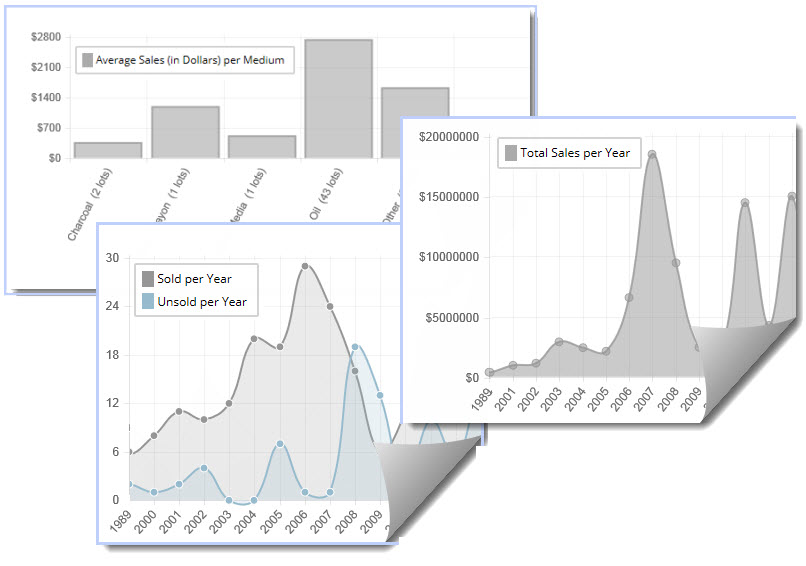
Eric Wilson PRICE CHARTS
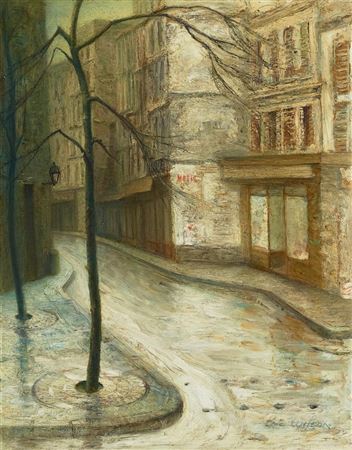
1911 - 1947. Known for: Painting.
Eric Wilson, 1911-1946. Hailed by Douglas Dundas as ‘one of the bright stars in the firmament of Australian art during the 1940s’, Eric Wilson is remarkable for having achieved widespread success not... Read full biography
Eric Wilson, 1911-1946. Hailed by Douglas Dundas as ‘one of the bright stars in the firmament of Australian art during the 1940s’, Eric Wilson is remarkable for having achieved widespread success not only as an abstractionist (whose still-lifes represented some of the first experiments in Cubism by... Read full biography
Eric Wilson, 1911-1946. Hailed by Douglas Dundas as ‘one of the bright stars in the firmament of Australian art during the 1940s’, Eric Wilson is remarkable for having achieved widespread success not only as an abstractionist (whose still-lifes represented some of the first experiments in Cubism by an Antipodean artist), but equally, as a modern realist painter of European cityscapes – impressively exemplified here by Pont Neuf, c.1939. Awarded the New South Wales Travelling Art Scholarship in... Read full biography
Eric Wilson, 1911-1946. Hailed by Douglas Dundas as ‘one of the bright stars in the firmament of Australian art during the 1940s’, Eric Wilson is remarkable for having achieved widespread success not only as an abstractionist (whose still-lifes represented some of the first experiments in Cubism by an Antipodean artist), but equally, as a modern realist painter of European cityscapes – impressively exemplified here by Pont Neuf, c.1939. Awarded the New South Wales Travelling Art Scholarship in 1937, Wilson accordingly embarked for England in June the same year, studying first briefly at the Royal Academy before enrolling at the more progressive Westminster School under British modern painters, Mark Gertler and Elmslie Owen. The latter was... Read full biography
Eric Wilson, 1911-1946. Hailed by Douglas Dundas as ‘one of the bright stars in the firmament of Australian art during the 1940s’, Eric Wilson is remarkable for having achieved widespread success not only as an abstractionist (whose still-lifes represented some of the first experiments in Cubism by an Antipodean artist), but equally, as a modern realist painter of European cityscapes – impressively exemplified here by Pont Neuf, c.1939. Awarded the New South Wales Travelling Art Scholarship in 1937, Wilson accordingly embarked for England in June the same year, studying first briefly at the Royal Academy before enrolling at the more progressive Westminster School under British modern painters, Mark Gertler and Elmslie Owen. The latter was especially influential, urging the young artist to proceed in the vein of the French avant-garde ‘according to knowledge rather than m... Read full biography