Francesco Graziani PRICE CHARTS
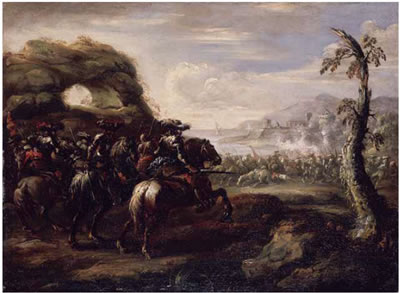
1680 Naples, Italy - 1730. Known for: Painting and sculpture.
Francesco Graziani, also known as Ciccio Napoletano, specialized in painting battles between knights and reached high artistic peaks in this genre. He was associated with the prestigious Neapolitan... Read full biography
Francesco Graziani, also known as Ciccio Napoletano, specialized in painting battles between knights and reached high artistic peaks in this genre. He was associated with the prestigious Neapolitan school of bâtists in the second half of the 17th century. Graziani moved from Naples to Rome in the... Read full biography
Francesco Graziani, also known as Ciccio Napoletano, specialized in painting battles between knights and reached high artistic peaks in this genre. He was associated with the prestigious Neapolitan school of bâtists in the second half of the 17th century. Graziani moved from Naples to Rome in the late 17th century, where he became a well-established painter among the city's patrons. Little is known about his education, with some sources suggesting he was a pupil of Borgognone.
Francesco Graziani, also known as Ciccio Napoletano, specialized in painting battles between knights and reached high artistic peaks in this genre. He was associated with the prestigious Neapolitan school of bâtists in the second half of the 17th century. Graziani moved from Naples to Rome in the late 17th century, where he became a well-established painter among the city's patrons. Little is known about his education, with some sources suggesting he was a pupil of Borgognone.
Francesco Graziani, also known as Ciccio Napoletano, specialized in painting battles between knights and reached high artistic peaks in this genre. He was associated with the prestigious Neapolitan school of bâtists in the second half of the 17th century. Graziani moved from Naples to Rome in the late 17th century, where he became a well-established painter among the city's patrons. Little is known about his education, with some sources suggesting he was a pupil of Borgognone.