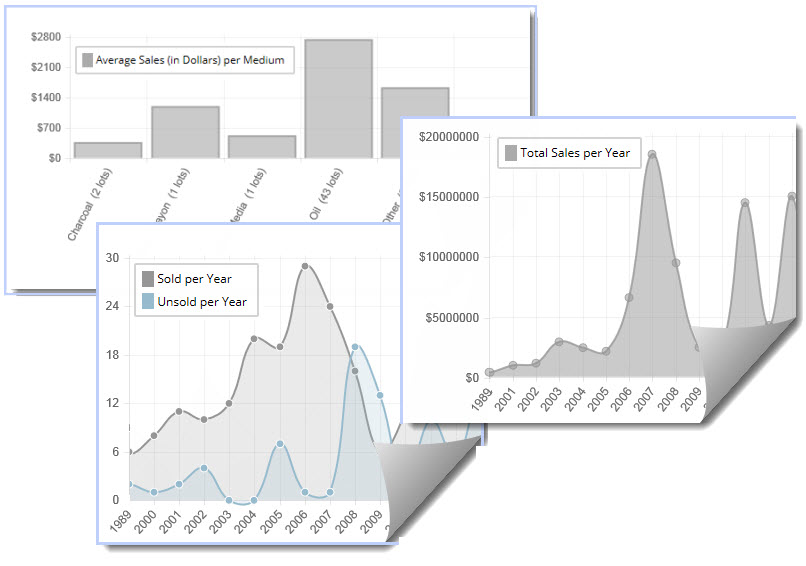
Francisco Narvaez PRICE CHARTS
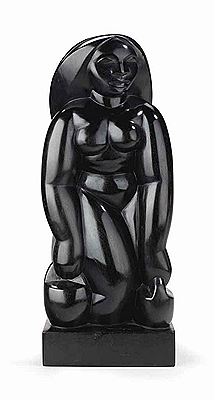
1905 - 1982. Known for: Painting and sculpture.
After completing his studies at the former school of Fine Arts in Caracas (1922-1928), Narváez moved to Paris to study sculpture at the Julian Academy (1928-1931). Upon his return to Venezuela in... Read full biography
After completing his studies at the former school of Fine Arts in Caracas (1922-1928), Narváez moved to Paris to study sculpture at the Julian Academy (1928-1931). Upon his return to Venezuela in 1931, he opened his studio in Catia, a working class quarter of Caracas (1931-1943). Narváez taught... Read full biography
After completing his studies at the former school of Fine Arts in Caracas (1922-1928), Narváez moved to Paris to study sculpture at the Julian Academy (1928-1931). Upon his return to Venezuela in 1931, he opened his studio in Catia, a working class quarter of Caracas (1931-1943). Narváez taught sculpture and modeling at the new Escuela de Bellas Artes in Caracas, where he served as director from 1953-1956. His style evolved from figuration to a progressively pure abstraction. He has exhibited... Read full biography
After completing his studies at the former school of Fine Arts in Caracas (1922-1928), Narváez moved to Paris to study sculpture at the Julian Academy (1928-1931). Upon his return to Venezuela in 1931, he opened his studio in Catia, a working class quarter of Caracas (1931-1943). Narváez taught sculpture and modeling at the new Escuela de Bellas Artes in Caracas, where he served as director from 1953-1956. His style evolved from figuration to a progressively pure abstraction. He has exhibited widely (including an important exhibition in 1977 at the Museo de Arte Contemporáneo in Caracas), and is also well represented in a series of public and architectural monuments in Caracas and other Venezuelan cities. Among his most outstanding awards... Read full biography
After completing his studies at the former school of Fine Arts in Caracas (1922-1928), Narváez moved to Paris to study sculpture at the Julian Academy (1928-1931). Upon his return to Venezuela in 1931, he opened his studio in Catia, a working class quarter of Caracas (1931-1943). Narváez taught sculpture and modeling at the new Escuela de Bellas Artes in Caracas, where he served as director from 1953-1956. His style evolved from figuration to a progressively pure abstraction. He has exhibited widely (including an important exhibition in 1977 at the Museo de Arte Contemporáneo in Caracas), and is also well represented in a series of public and architectural monuments in Caracas and other Venezuelan cities. Among his most outstanding awards is Venezuela's National Prize for Sculpture (1941) and for Painting (1948). Source: Sotheby's.com