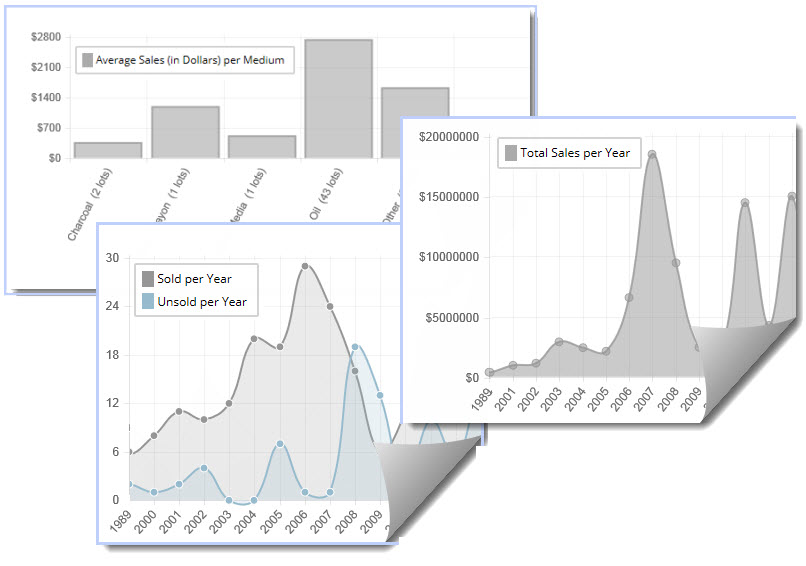
Frantisek Maly PRICE CHARTS
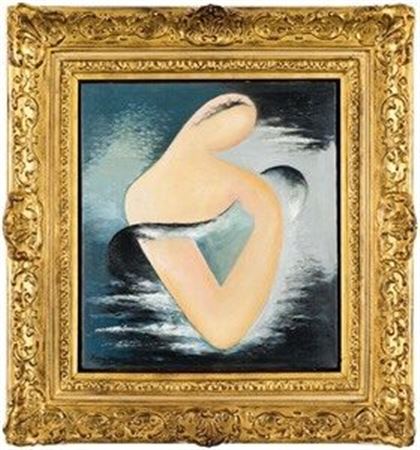
1900 Litomsi/Tschechien - 1980. Known for: Landscape, still life, city view and female nude painting.
Frantisek Malý (1900-1980) was trained between 1915 and 1921 to a textile artist but he always deals intensely, beside his work in the field of decorative arts and stage art, with painting and... Read full biography
Frantisek Malý (1900-1980) was trained between 1915 and 1921 to a textile artist but he always deals intensely, beside his work in the field of decorative arts and stage art, with painting and graphic. His works were influenced by Mikuláš Galanda and Ludovit Fulla, which are considered as the... Read full biography
Frantisek Malý (1900-1980) was trained between 1915 and 1921 to a textile artist but he always deals intensely, beside his work in the field of decorative arts and stage art, with painting and graphic. His works were influenced by Mikuláš Galanda and Ludovit Fulla, which are considered as the founders of the modern Slovak painting. He also got important impulses from European movements such as the lyrical and synthetic Cubism, or Surrealism. Recurring themes in his works are landscapes, still... Read full biography
Frantisek Malý (1900-1980) was trained between 1915 and 1921 to a textile artist but he always deals intensely, beside his work in the field of decorative arts and stage art, with painting and graphic. His works were influenced by Mikuláš Galanda and Ludovit Fulla, which are considered as the founders of the modern Slovak painting. He also got important impulses from European movements such as the lyrical and synthetic Cubism, or Surrealism. Recurring themes in his works are landscapes, still lifes, city views and female nudes.
Frantisek Malý (1900-1980) was trained between 1915 and 1921 to a textile artist but he always deals intensely, beside his work in the field of decorative arts and stage art, with painting and graphic. His works were influenced by Mikuláš Galanda and Ludovit Fulla, which are considered as the founders of the modern Slovak painting. He also got important impulses from European movements such as the lyrical and synthetic Cubism, or Surrealism. Recurring themes in his works are landscapes, still lifes, city views and female nudes.