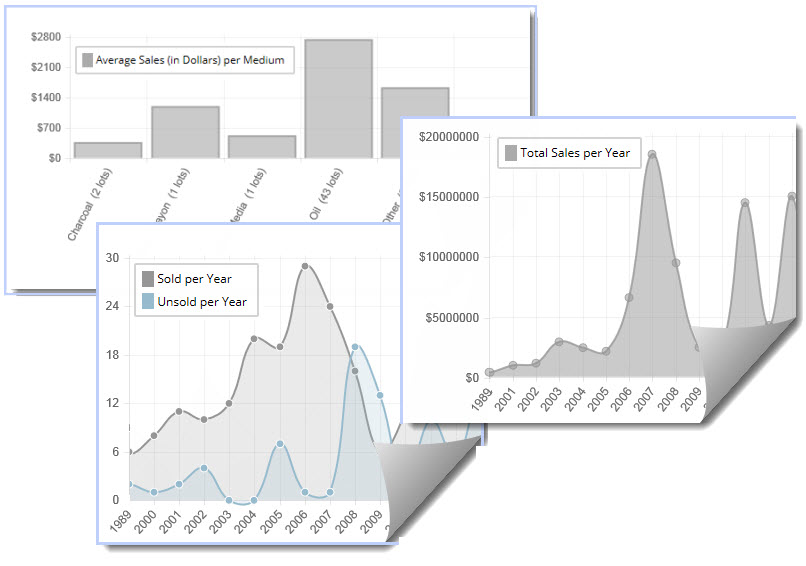
Gerhard Graevenitz PRICE CHARTS
1934 Schilde, Germany - 1983 Switzerland. Known for: Kinetic, motor-driven sculpture.
A German painter, sculptor and kinetic artist, Gerhard Graevenitz studied economics at the University of Frankfurt/Main in 1955/56 but changed course shortly thereafter by moving to the Akademie der... Read full biography
A German painter, sculptor and kinetic artist, Gerhard Graevenitz studied economics at the University of Frankfurt/Main in 1955/56 but changed course shortly thereafter by moving to the Akademie der Bildenden Künste (Academy of Fine Arts) in Munich where he studied art until 1961. He was interested... Read full biography
A German painter, sculptor and kinetic artist, Gerhard Graevenitz studied economics at the University of Frankfurt/Main in 1955/56 but changed course shortly thereafter by moving to the Akademie der Bildenden Künste (Academy of Fine Arts) in Munich where he studied art until 1961. He was interested in the teachings of the Bauhaus masters. E arly exposure to the work of Jackson Pollock was also important. His first works of the 1950s were white structures and reliefs, such as White Structure, 3... Read full biography
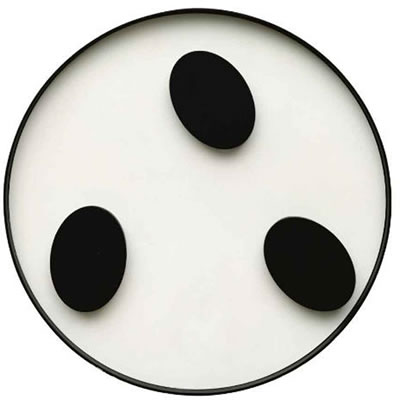
A German painter, sculptor and kinetic artist, Gerhard Graevenitz studied economics at the University of Frankfurt/Main in 1955/56 but changed course shortly thereafter by moving to the Akademie der Bildenden Künste (Academy of Fine Arts) in Munich where he studied art until 1961. He was interested in the teachings of the Bauhaus masters. E arly exposure to the work of Jackson Pollock was also important. His first works of the 1950s were white structures and reliefs, such as White Structure, 3 Fields (1960; Leverkusen, Schloss Morsbroich). In his works the artist was not concerned with composition as such but rather with the problem of organizing an image. In the late fifties he became editor of the journal nota, and ran the gallery of the... Read full biography
A German painter, sculptor and kinetic artist, Gerhard Graevenitz studied economics at the University of Frankfurt/Main in 1955/56 but changed course shortly thereafter by moving to the Akademie der Bildenden Künste (Academy of Fine Arts) in Munich where he studied art until 1961. He was interested in the teachings of the Bauhaus masters. E arly exposure to the work of Jackson Pollock was also important. His first works of the 1950s were white structures and reliefs, such as White Structure, 3 Fields (1960; Leverkusen, Schloss Morsbroich). In his works the artist was not concerned with composition as such but rather with the problem of organizing an image. In the late fifties he became editor of the journal nota, and ran the gallery of the same name in Munich (1960-61), becoming involved with artists such as Otto Piene and Heinz Mack.... Read full biography