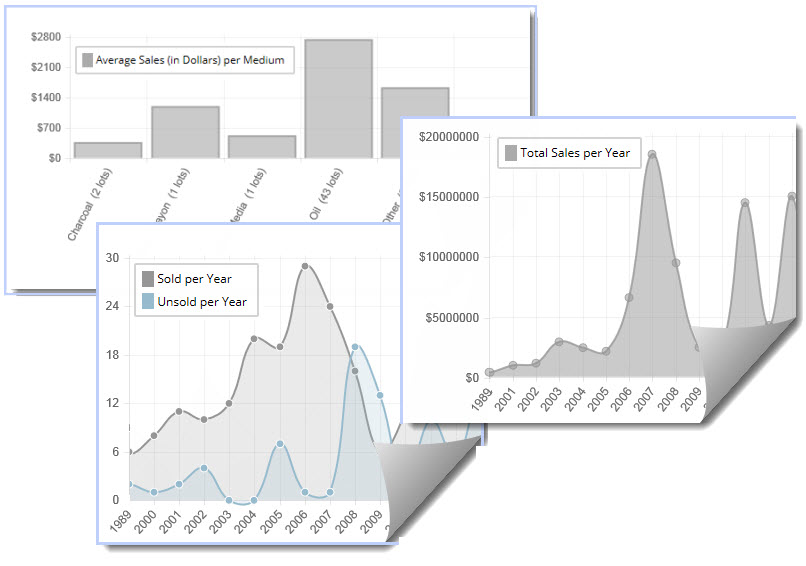
Hyong Keun Yun PRICE CHARTS
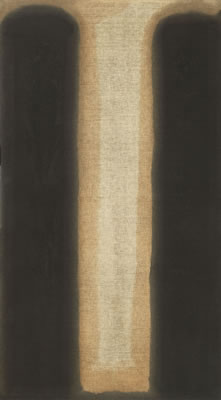
1928 - 2007. Known for: Paintings.
Born in 1928, Yun Hyong-Keun is highly recognized as one of the most inspiring artists for the peer group of Tansaekhwa, the Korean monochrome art movement. Like his other Korean contemporary... Read full biography
Born in 1928, Yun Hyong-Keun is highly recognized as one of the most inspiring artists for the peer group of Tansaekhwa, the Korean monochrome art movement. Like his other Korean contemporary artists, he explored Western styles in the 1960s. But Yun soon returned to the notion and process of Asian... Read full biography
Born in 1928, Yun Hyong-Keun is highly recognized as one of the most inspiring artists for the peer group of Tansaekhwa, the Korean monochrome art movement. Like his other Korean contemporary artists, he explored Western styles in the 1960s. But Yun soon returned to the notion and process of Asian ink painting in search of a new abstract form. When the leader of American minimalism, Donald Judd met Yun in the early 1990s during his visit to Korea for his exhibition, he was instantly fascinated... Read full biography
Born in 1928, Yun Hyong-Keun is highly recognized as one of the most inspiring artists for the peer group of Tansaekhwa, the Korean monochrome art movement. Like his other Korean contemporary artists, he explored Western styles in the 1960s. But Yun soon returned to the notion and process of Asian ink painting in search of a new abstract form. When the leader of American minimalism, Donald Judd met Yun in the early 1990s during his visit to Korea for his exhibition, he was instantly fascinated by Yun's meditative painting. They noticed a profound depth in the art of the other and became artistic comrades, although their primary interests are almost opposite; Judd focusing more on the actual property of substance while Yun sought to explore... Read full biography
Born in 1928, Yun Hyong-Keun is highly recognized as one of the most inspiring artists for the peer group of Tansaekhwa, the Korean monochrome art movement. Like his other Korean contemporary artists, he explored Western styles in the 1960s. But Yun soon returned to the notion and process of Asian ink painting in search of a new abstract form. When the leader of American minimalism, Donald Judd met Yun in the early 1990s during his visit to Korea for his exhibition, he was instantly fascinated by Yun's meditative painting. They noticed a profound depth in the art of the other and became artistic comrades, although their primary interests are almost opposite; Judd focusing more on the actual property of substance while Yun sought to explore the spirit in nature. Judd's affection towards Korean tradition has a long history from his mi... Read full biography