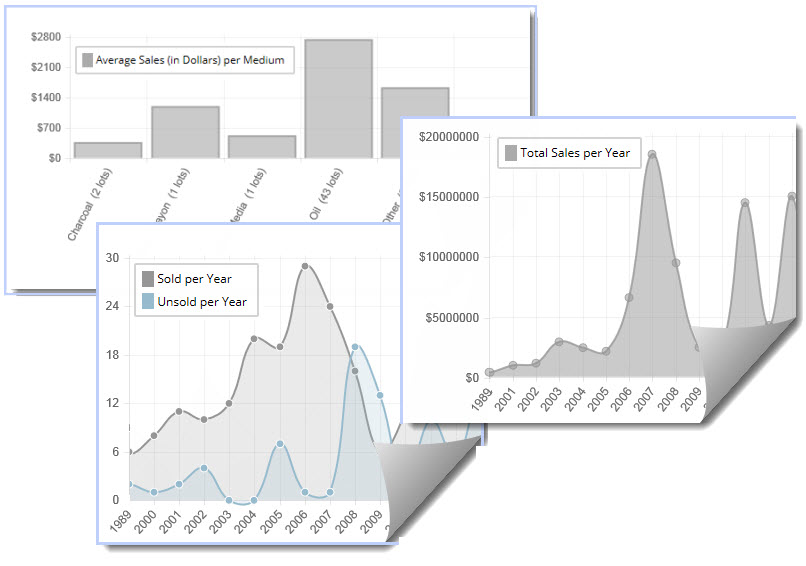
Jan Mortel PRICE CHARTS
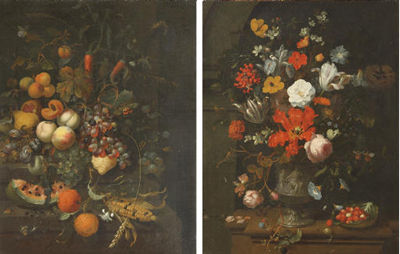
1650 Leiden - 1719. Known for: Still life with fruit and flowers.
Jan Mortel was born in 1650 in Leiden, where he spent his entire career. In 1675, he became a member of the local guild, having studied with Jan Porcellis van Delden, grandson of the well-known... Read full biography
Jan Mortel was born in 1650 in Leiden, where he spent his entire career. In 1675, he became a member of the local guild, having studied with Jan Porcellis van Delden, grandson of the well-known marine painter. Mortel was, above all, but not exclusively, a still life specialist. He followed the... Read full biography
Jan Mortel was born in 1650 in Leiden, where he spent his entire career. In 1675, he became a member of the local guild, having studied with Jan Porcellis van Delden, grandson of the well-known marine painter. Mortel was, above all, but not exclusively, a still life specialist. He followed the long-established repertoire of traditional Dutch still life, and especially painted fruit and flowers. These works clearly show the influence of Jan Davidsz. de Heem and Abraham Mignon. Jan Mortel passed... Read full biography
Jan Mortel was born in 1650 in Leiden, where he spent his entire career. In 1675, he became a member of the local guild, having studied with Jan Porcellis van Delden, grandson of the well-known marine painter. Mortel was, above all, but not exclusively, a still life specialist. He followed the long-established repertoire of traditional Dutch still life, and especially painted fruit and flowers. These works clearly show the influence of Jan Davidsz. de Heem and Abraham Mignon. Jan Mortel passed away in 1719. Some of his works are held at the Museum of Fine Arts in Budapest and the National Museum of Stockholm.
Jan Mortel was born in 1650 in Leiden, where he spent his entire career. In 1675, he became a member of the local guild, having studied with Jan Porcellis van Delden, grandson of the well-known marine painter. Mortel was, above all, but not exclusively, a still life specialist. He followed the long-established repertoire of traditional Dutch still life, and especially painted fruit and flowers. These works clearly show the influence of Jan Davidsz. de Heem and Abraham Mignon. Jan Mortel passed away in 1719. Some of his works are held at the Museum of Fine Arts in Budapest and the National Museum of Stockholm.