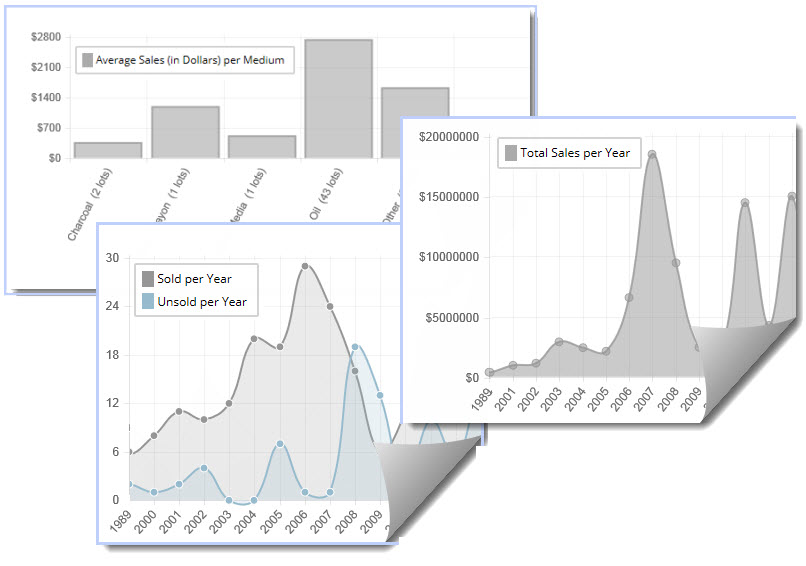
Jose Jimenez Aranda PRICE CHARTS
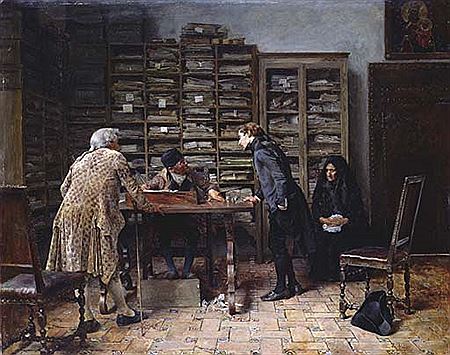
1837 Seville, Spain - 1903. Known for: Painting.
José Jiménez Aranda, brother of Luis and Manuel Jiménez Aranda, was a Spanish painter and illustrator who began his training with Manuel Cabral and Eduardo Cano de la Peña. His talent for drawing... Read full biography
José Jiménez Aranda, brother of Luis and Manuel Jiménez Aranda, was a Spanish painter and illustrator who began his training with Manuel Cabral and Eduardo Cano de la Peña. His talent for drawing helped him to enter the Royal Academy of Fine Arts Santa Isabel de Hungría in Seville in 1851. In 1868... Read full biography
José Jiménez Aranda, brother of Luis and Manuel Jiménez Aranda, was a Spanish painter and illustrator who began his training with Manuel Cabral and Eduardo Cano de la Peña. His talent for drawing helped him to enter the Royal Academy of Fine Arts Santa Isabel de Hungría in Seville in 1851. In 1868 he was in Madrid, where he learned in the Prado Museum of the best masters, feeling special predilection for Goya and Velázquez. In 1867 he was in Jerez de la Frontera working as a restorer and... Read full biography
José Jiménez Aranda, brother of Luis and Manuel Jiménez Aranda, was a Spanish painter and illustrator who began his training with Manuel Cabral and Eduardo Cano de la Peña. His talent for drawing helped him to enter the Royal Academy of Fine Arts Santa Isabel de Hungría in Seville in 1851. In 1868 he was in Madrid, where he learned in the Prado Museum of the best masters, feeling special predilection for Goya and Velázquez. In 1867 he was in Jerez de la Frontera working as a restorer and designer of stained glass and, four years later, he managed to go to Rome, where he met Mariano Fortuny. He returned four years later. Between 1881 and 1890 he lived in Paris, making a series of works among which stand out those set in the eighteenth... Read full biography
José Jiménez Aranda, brother of Luis and Manuel Jiménez Aranda, was a Spanish painter and illustrator who began his training with Manuel Cabral and Eduardo Cano de la Peña. His talent for drawing helped him to enter the Royal Academy of Fine Arts Santa Isabel de Hungría in Seville in 1851. In 1868 he was in Madrid, where he learned in the Prado Museum of the best masters, feeling special predilection for Goya and Velázquez. In 1867 he was in Jerez de la Frontera working as a restorer and designer of stained glass and, four years later, he managed to go to Rome, where he met Mariano Fortuny. He returned four years later. Between 1881 and 1890 he lived in Paris, making a series of works among which stand out those set in the eighteenth century, with great influence of Fortuny, by the success that brought him. When he returned to Madrid, he dedicated himself... Read full biography