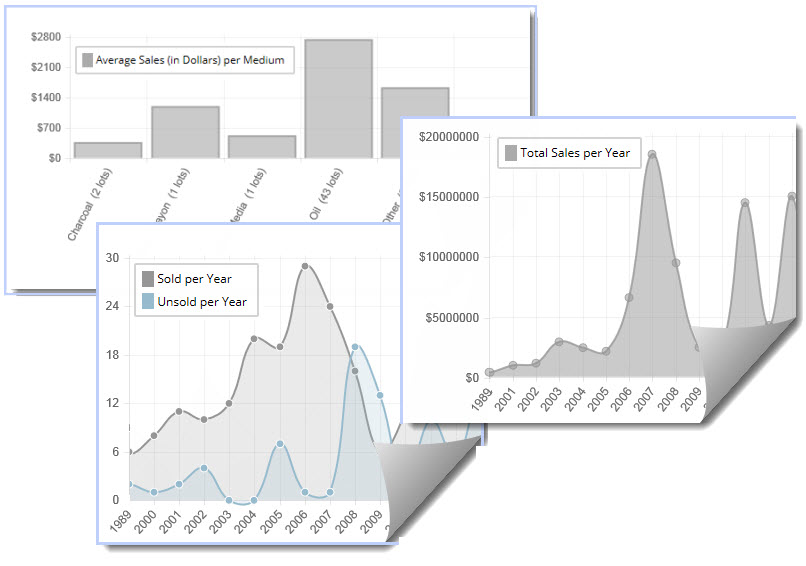
Oscar Nerlinger PRICE CHARTS
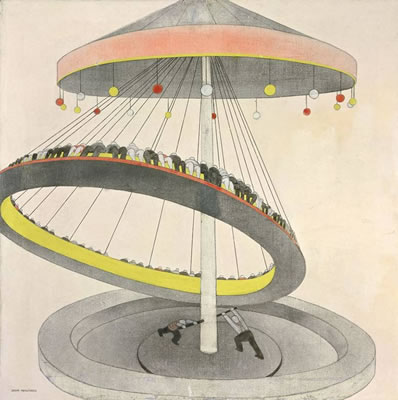
1893 Schwann - 1969 Ost-Berlin. Known for: Politically engaged art, Constructivism, simplified realism.
Oskar Nerlinger, born in 1893 in Schwann, Germany, was a prominent artist of the politically engaged art scene during the Weimar Republic. He studied at the School of Arts and Crafts in Strasbourg... Read full biography
Oskar Nerlinger, born in 1893 in Schwann, Germany, was a prominent artist of the politically engaged art scene during the Weimar Republic. He studied at the School of Arts and Crafts in Strasbourg and with Emil Orlik in Berlin. Nerlinger was associated with the avant-garde of Constructivism... Read full biography
Oskar Nerlinger, born in 1893 in Schwann, Germany, was a prominent artist of the politically engaged art scene during the Weimar Republic. He studied at the School of Arts and Crafts in Strasbourg and with Emil Orlik in Berlin. Nerlinger was associated with the avant-garde of Constructivism initially but later shifted towards a simplified realism influenced by Soviet art. He faced challenges during the Nazi regime, including an exhibition ban and arrest, which halted his artistic career until... Read full biography
Oskar Nerlinger, born in 1893 in Schwann, Germany, was a prominent artist of the politically engaged art scene during the Weimar Republic. He studied at the School of Arts and Crafts in Strasbourg and with Emil Orlik in Berlin. Nerlinger was associated with the avant-garde of Constructivism initially but later shifted towards a simplified realism influenced by Soviet art. He faced challenges during the Nazi regime, including an exhibition ban and arrest, which halted his artistic career until 1945. Nerlinger co-edited the magazine "Bildende Kunst" with Karl Hofer and engaged in discussions on fundamental artistic questions. His work often reflected his belief that art should be connected to the people. In 1949, he created an atmospheric... Read full biography
Oskar Nerlinger, born in 1893 in Schwann, Germany, was a prominent artist of the politically engaged art scene during the Weimar Republic. He studied at the School of Arts and Crafts in Strasbourg and with Emil Orlik in Berlin. Nerlinger was associated with the avant-garde of Constructivism initially but later shifted towards a simplified realism influenced by Soviet art. He faced challenges during the Nazi regime, including an exhibition ban and arrest, which halted his artistic career until 1945. Nerlinger co-edited the magazine "Bildende Kunst" with Karl Hofer and engaged in discussions on fundamental artistic questions. His work often reflected his belief that art should be connected to the people. In 1949, he created an atmospheric piece inspired by the Baltic Sea landscapes, where he found solace after the war.