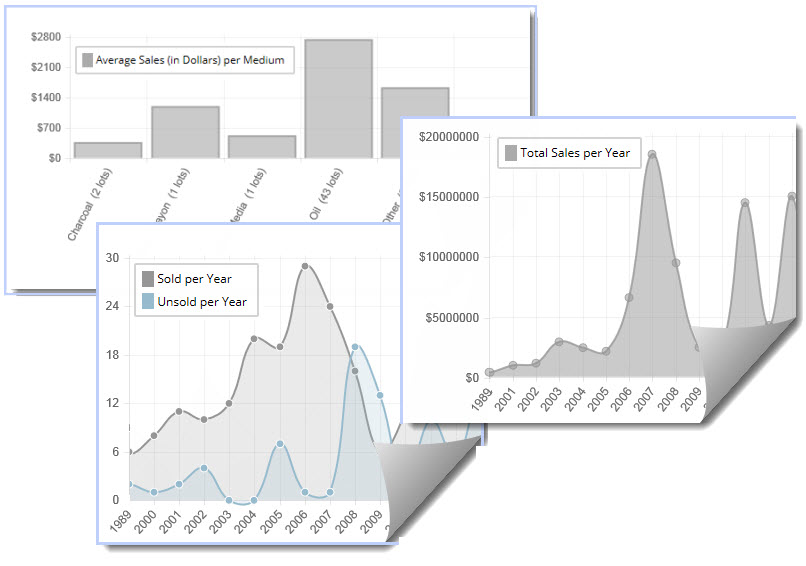
Peter Potworowski PRICE CHARTS
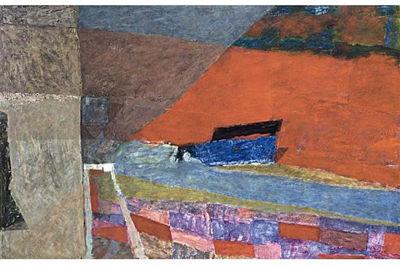
1898 - 1962. Known for: Abstract art.
Zdzislaw Kepinski, a Polish artist, studied at the Academy of Fine Arts in Krakow under Józef Pankiewicz. He traveled to Paris with his master and the Paris Committee in 1924, returning to Poland in... Read full biography
Zdzislaw Kepinski, a Polish artist, studied at the Academy of Fine Arts in Krakow under Józef Pankiewicz. He traveled to Paris with his master and the Paris Committee in 1924, returning to Poland in 1933. During World War II, he found refuge in Sweden and later in England, where he had his first... Read full biography
Zdzislaw Kepinski, a Polish artist, studied at the Academy of Fine Arts in Krakow under Józef Pankiewicz. He traveled to Paris with his master and the Paris Committee in 1924, returning to Poland in 1933. During World War II, he found refuge in Sweden and later in England, where he had his first solo exhibition in 1946. Kepinski continued his artistic and teaching activities in Great Britain until 1958. Upon returning to Poland, he became a professor at the State Higher School of Fine Arts in... Read full biography
Zdzislaw Kepinski, a Polish artist, studied at the Academy of Fine Arts in Krakow under Józef Pankiewicz. He traveled to Paris with his master and the Paris Committee in 1924, returning to Poland in 1933. During World War II, he found refuge in Sweden and later in England, where he had his first solo exhibition in 1946. Kepinski continued his artistic and teaching activities in Great Britain until 1958. Upon returning to Poland, he became a professor at the State Higher School of Fine Arts in Gdansk and Poznan. Known for his transition from representational to abstract painting while maintaining Polish colorism, Kepinski's post-war work is highly regarded in Polish art history.
Zdzislaw Kepinski, a Polish artist, studied at the Academy of Fine Arts in Krakow under Józef Pankiewicz. He traveled to Paris with his master and the Paris Committee in 1924, returning to Poland in 1933. During World War II, he found refuge in Sweden and later in England, where he had his first solo exhibition in 1946. Kepinski continued his artistic and teaching activities in Great Britain until 1958. Upon returning to Poland, he became a professor at the State Higher School of Fine Arts in Gdansk and Poznan. Known for his transition from representational to abstract painting while maintaining Polish colorism, Kepinski's post-war work is highly regarded in Polish art history.