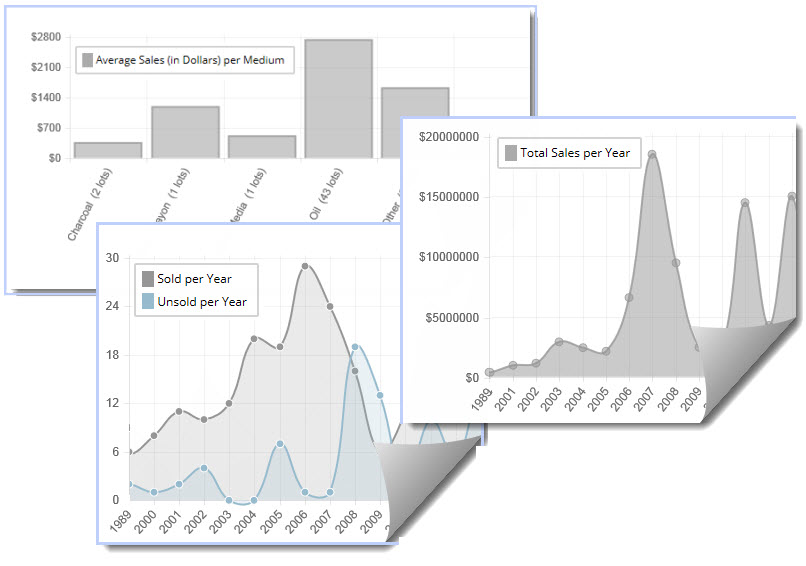
Piero Marussig PRICE CHARTS
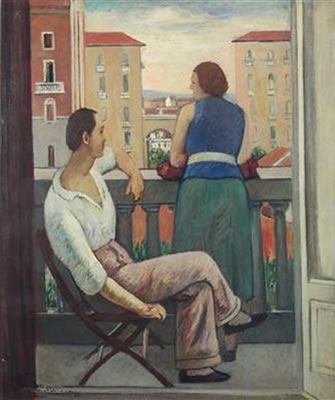
1897 Trieste - 1937 Pavia. Known for: Expressionism, painting.
Piero Marussig was born in 1897 in Trieste, Italy, and passed away in 1937 in Pavia. He flourished during the 20th century, particularly during his expressionist period from 1912 to 1919. Marussig's... Read full biography
Piero Marussig was born in 1897 in Trieste, Italy, and passed away in 1937 in Pavia. He flourished during the 20th century, particularly during his expressionist period from 1912 to 1919. Marussig's work during the Great War is characterized by vibrant colors, lyrical meanings, and a focus on... Read full biography
Piero Marussig was born in 1897 in Trieste, Italy, and passed away in 1937 in Pavia. He flourished during the 20th century, particularly during his expressionist period from 1912 to 1919. Marussig's work during the Great War is characterized by vibrant colors, lyrical meanings, and a focus on everyday objects and interior scenes. He was influenced by Fauvist and secessionist styles, creating expressive and colorful paintings that captured the essence of his surroundings. The artist's biography... Read full biography
Piero Marussig was born in 1897 in Trieste, Italy, and passed away in 1937 in Pavia. He flourished during the 20th century, particularly during his expressionist period from 1912 to 1919. Marussig's work during the Great War is characterized by vibrant colors, lyrical meanings, and a focus on everyday objects and interior scenes. He was influenced by Fauvist and secessionist styles, creating expressive and colorful paintings that captured the essence of his surroundings. The artist's biography mentions conflicting accounts of his whereabouts during the war, with some sources suggesting he spent time in a villa painting, while others mention internment in a concentration camp.
Piero Marussig was born in 1897 in Trieste, Italy, and passed away in 1937 in Pavia. He flourished during the 20th century, particularly during his expressionist period from 1912 to 1919. Marussig's work during the Great War is characterized by vibrant colors, lyrical meanings, and a focus on everyday objects and interior scenes. He was influenced by Fauvist and secessionist styles, creating expressive and colorful paintings that captured the essence of his surroundings. The artist's biography mentions conflicting accounts of his whereabouts during the war, with some sources suggesting he spent time in a villa painting, while others mention internment in a concentration camp.