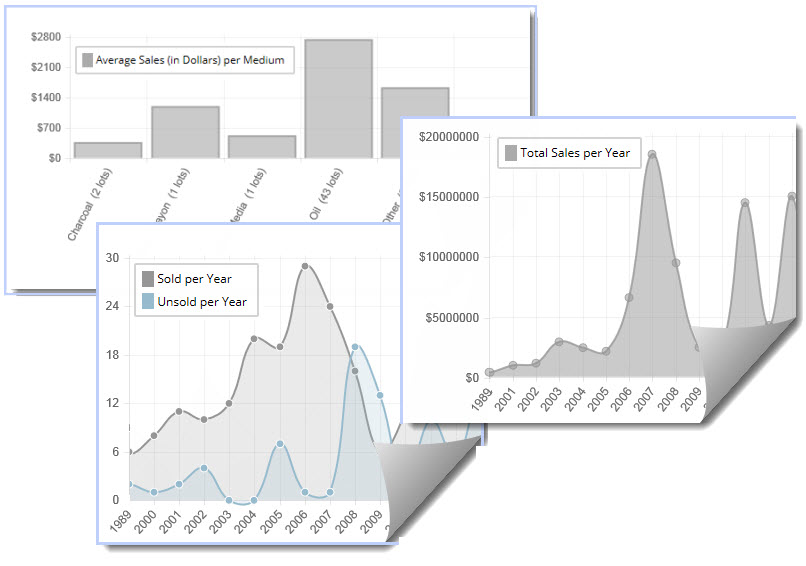
Sebastiano Ricci PRICE CHARTS
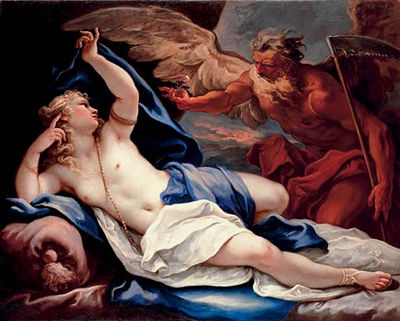
1659 Belluno, Italy - 1734 Venice, Italy. Known for: Rococo painting, etching, church decoration.
Sebastiano Ricci was a successful decorator active at the end of the Baroque era, who developed the achievement of Veronese into a spirited Rococo style. He was also responsive to a wide variety of... Read full biography
Sebastiano Ricci was a successful decorator active at the end of the Baroque era, who developed the achievement of Veronese into a spirited Rococo style. He was also responsive to a wide variety of 17th-century influences, including Annibale Carracci, Pietro da Cortona and Gaulli. He often... Read full biography
Sebastiano Ricci was a successful decorator active at the end of the Baroque era, who developed the achievement of Veronese into a spirited Rococo style. He was also responsive to a wide variety of 17th-century influences, including Annibale Carracci, Pietro da Cortona and Gaulli. He often collaborated with his nephew Marco (1676-1730), who became a specialist in decorative landscape painting. Sebastiano, after early training in Venice under the little known Federico Cervelli and in Bologna... Read full biography
Sebastiano Ricci was a successful decorator active at the end of the Baroque era, who developed the achievement of Veronese into a spirited Rococo style. He was also responsive to a wide variety of 17th-century influences, including Annibale Carracci, Pietro da Cortona and Gaulli. He often collaborated with his nephew Marco (1676-1730), who became a specialist in decorative landscape painting. Sebastiano, after early training in Venice under the little known Federico Cervelli and in Bologna under Giovanni Gioseffo dal Sole (1654-1719), received his first major commission in 1685: the decoration of two cupolas in the nave and choir of the oratory of the Madonna del Serraglio in S. Secondo Parmense. He moved to Rome in 1691 and the following... Read full biography
Sebastiano Ricci was a successful decorator active at the end of the Baroque era, who developed the achievement of Veronese into a spirited Rococo style. He was also responsive to a wide variety of 17th-century influences, including Annibale Carracci, Pietro da Cortona and Gaulli. He often collaborated with his nephew Marco (1676-1730), who became a specialist in decorative landscape painting. Sebastiano, after early training in Venice under the little known Federico Cervelli and in Bologna under Giovanni Gioseffo dal Sole (1654-1719), received his first major commission in 1685: the decoration of two cupolas in the nave and choir of the oratory of the Madonna del Serraglio in S. Secondo Parmense. He moved to Rome in 1691 and the following year was invited to paint a large fresco of the Battle of Lepanto for the Palazzo Colonna. He was in Milan in 1694-... Read full biography