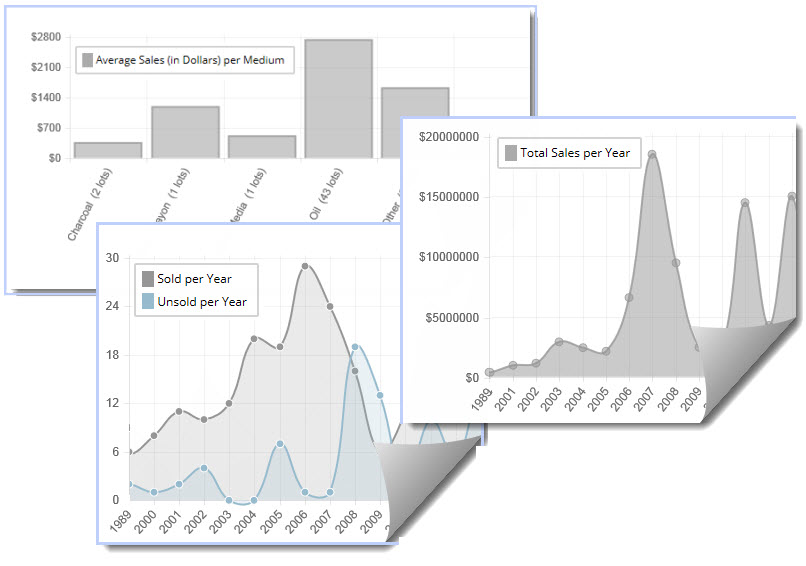
Stefano Magnasco PRICE CHARTS
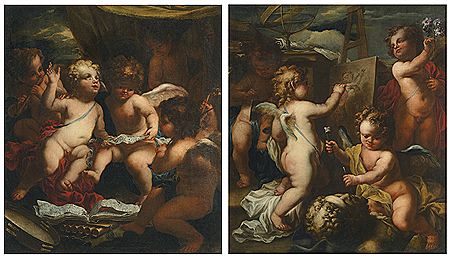
1635 Genoa - 1681. Known for: Painting.
Stefano Magnasco, father of Alessandro, was born in 1635 in Genoa, and he trained in the studio of Valerio Castello. After a brief period during his youth in Rome he returned to Genoa. Here, the... Read full biography
Stefano Magnasco, father of Alessandro, was born in 1635 in Genoa, and he trained in the studio of Valerio Castello. After a brief period during his youth in Rome he returned to Genoa. Here, the artist established his studio producing paintings that reveal a range of influences. Stefano Magnasco is... Read full biography
Stefano Magnasco, father of Alessandro, was born in 1635 in Genoa, and he trained in the studio of Valerio Castello. After a brief period during his youth in Rome he returned to Genoa. Here, the artist established his studio producing paintings that reveal a range of influences. Stefano Magnasco is an eclectic painter who used the brilliant colours of Castello without excluding the sensitivity of Van Dyck’s Genoese period, and who knew how to combine the serene and solemn gestures of Roman... Read full biography
Stefano Magnasco, father of Alessandro, was born in 1635 in Genoa, and he trained in the studio of Valerio Castello. After a brief period during his youth in Rome he returned to Genoa. Here, the artist established his studio producing paintings that reveal a range of influences. Stefano Magnasco is an eclectic painter who used the brilliant colours of Castello without excluding the sensitivity of Van Dyck’s Genoese period, and who knew how to combine the serene and solemn gestures of Roman painting with the exuberance of Rubens.
Stefano Magnasco, father of Alessandro, was born in 1635 in Genoa, and he trained in the studio of Valerio Castello. After a brief period during his youth in Rome he returned to Genoa. Here, the artist established his studio producing paintings that reveal a range of influences. Stefano Magnasco is an eclectic painter who used the brilliant colours of Castello without excluding the sensitivity of Van Dyck’s Genoese period, and who knew how to combine the serene and solemn gestures of Roman painting with the exuberance of Rubens.