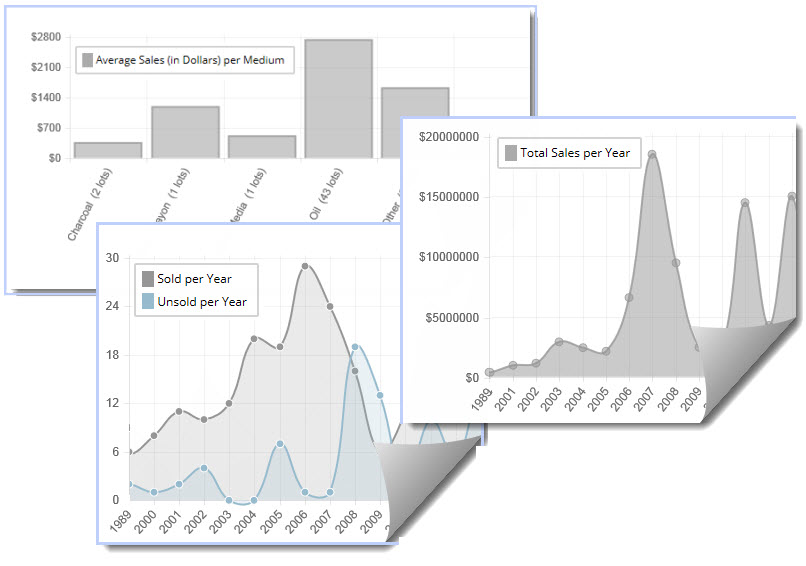
Andre Alexeyevich Jawlensky PRICE CHARTS
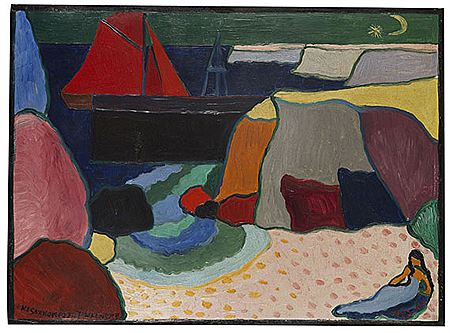
1902 - 1984. Known for: Landscape paintings.
Andreas Jawlensky, son of painter Alekséi Jawlensky, was a Russian painter who participated in exhibitions across Europe and the United States. He moved from Germany to Switzerland during World War I... Read full biography
Andreas Jawlensky, son of painter Alekséi Jawlensky, was a Russian painter who participated in exhibitions across Europe and the United States. He moved from Germany to Switzerland during World War I and later settled in Wiesbaden, Germany. Andreas became a German citizen, enlisted in the German... Read full biography
Andreas Jawlensky, son of painter Alekséi Jawlensky, was a Russian painter who participated in exhibitions across Europe and the United States. He moved from Germany to Switzerland during World War I and later settled in Wiesbaden, Germany. Andreas became a German citizen, enlisted in the German army during World War II, and was taken prisoner by the Red Army. He spent ten years in gulags in Siberia and the Urals before being released in 1955. In 1974, he obtained Swiss nationality and had an... Read full biography
Andreas Jawlensky, son of painter Alekséi Jawlensky, was a Russian painter who participated in exhibitions across Europe and the United States. He moved from Germany to Switzerland during World War I and later settled in Wiesbaden, Germany. Andreas became a German citizen, enlisted in the German army during World War II, and was taken prisoner by the Red Army. He spent ten years in gulags in Siberia and the Urals before being released in 1955. In 1974, he obtained Swiss nationality and had an exhibition at the Wiesbaden Museum four years later.
Andreas Jawlensky, son of painter Alekséi Jawlensky, was a Russian painter who participated in exhibitions across Europe and the United States. He moved from Germany to Switzerland during World War I and later settled in Wiesbaden, Germany. Andreas became a German citizen, enlisted in the German army during World War II, and was taken prisoner by the Red Army. He spent ten years in gulags in Siberia and the Urals before being released in 1955. In 1974, he obtained Swiss nationality and had an exhibition at the Wiesbaden Museum four years later.