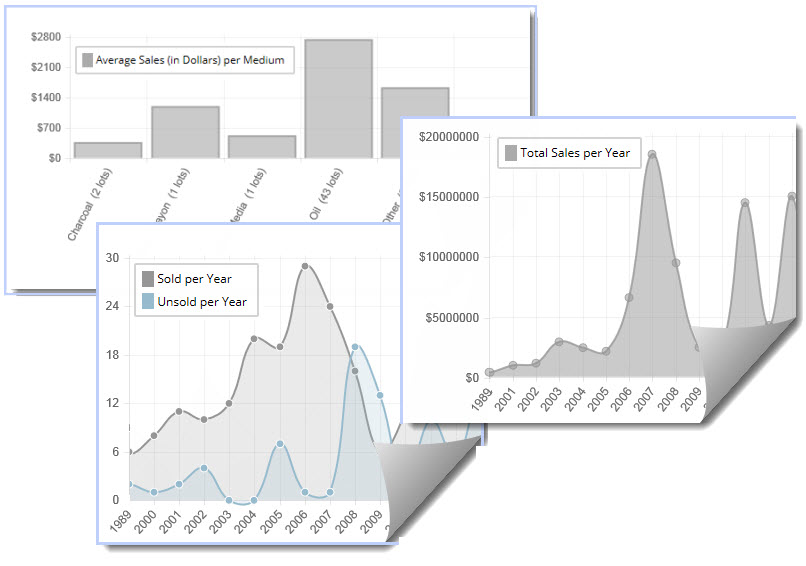
Anselmo Miguel Nieto PRICE CHARTS
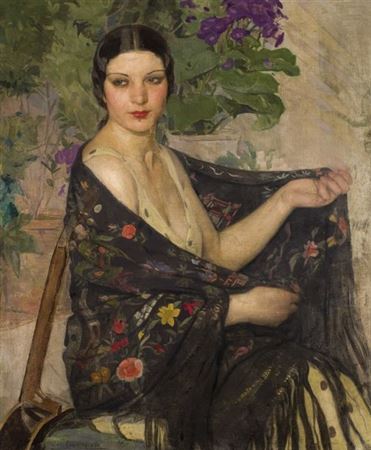
1881 - 1964. Known for: Painting.
The painter Anselmo Miguel Nieto occupied a prominent place among the Spanish figurative painters of the first half of the 20th century. His training began at the Superior School of Fine Arts in... Read full biography
The painter Anselmo Miguel Nieto occupied a prominent place among the Spanish figurative painters of the first half of the 20th century. His training began at the Superior School of Fine Arts in Madrid, where he was a student of the painters Alejo Vera and José Moreno Carbonero, and he was greatly... Read full biography
The painter Anselmo Miguel Nieto occupied a prominent place among the Spanish figurative painters of the first half of the 20th century. His training began at the Superior School of Fine Arts in Madrid, where he was a student of the painters Alejo Vera and José Moreno Carbonero, and he was greatly enriched with pensions obtained to expand his studies in Rome and Paris, which served him to get in touch with Aurelio Arteta and Pablo Picasso. Upon his return to Spain he received the Gold Medal at... Read full biography
The painter Anselmo Miguel Nieto occupied a prominent place among the Spanish figurative painters of the first half of the 20th century. His training began at the Superior School of Fine Arts in Madrid, where he was a student of the painters Alejo Vera and José Moreno Carbonero, and he was greatly enriched with pensions obtained to expand his studies in Rome and Paris, which served him to get in touch with Aurelio Arteta and Pablo Picasso. Upon his return to Spain he received the Gold Medal at the International Art Exhibition of Barcelona in 1911 and obtained a certain international prestige by obtaining gold medals at the exhibitions in Buenos Aires (1910) and Munich (1913). In 1922 he left with Julio Romero de Torres to Argentina and... Read full biography
The painter Anselmo Miguel Nieto occupied a prominent place among the Spanish figurative painters of the first half of the 20th century. His training began at the Superior School of Fine Arts in Madrid, where he was a student of the painters Alejo Vera and José Moreno Carbonero, and he was greatly enriched with pensions obtained to expand his studies in Rome and Paris, which served him to get in touch with Aurelio Arteta and Pablo Picasso. Upon his return to Spain he received the Gold Medal at the International Art Exhibition of Barcelona in 1911 and obtained a certain international prestige by obtaining gold medals at the exhibitions in Buenos Aires (1910) and Munich (1913). In 1922 he left with Julio Romero de Torres to Argentina and Chile, not to return to Spain until 1946. His style, very influenced by the work of Julio Romero de Torres or Zuloaga, evolved from an... Read full biography