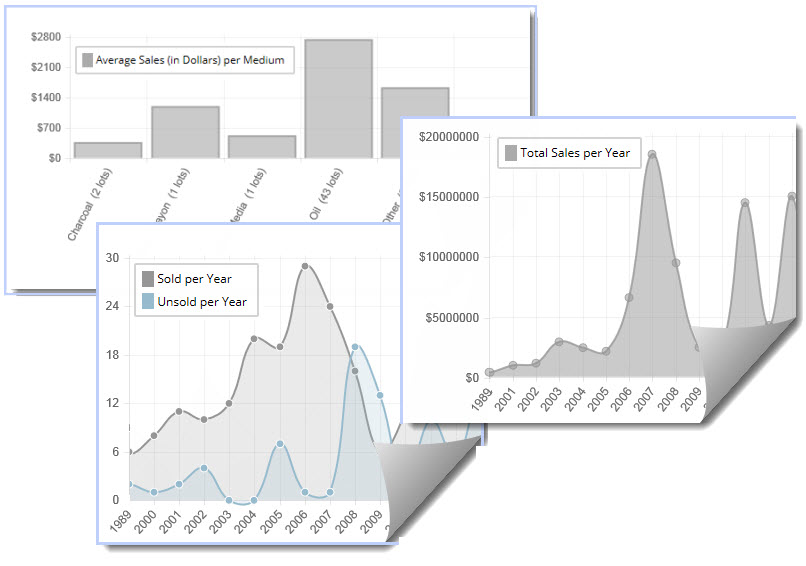
Barbara Falender PRICE CHARTS
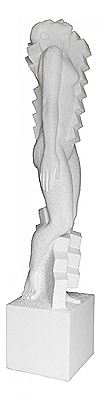
Born 1947 Wroclaw.
Sculpting the Body Barbara Falender's work stems from a close listening to the body—its presence, sensuality, and yet fragility. Since the early 1970s, the sculptor has rejected safe distances,... Read full biography
Sculpting the Body Barbara Falender's work stems from a close listening to the body—its presence, sensuality, and yet fragility. Since the early 1970s, the sculptor has rejected safe distances, entering realms of corporeality that had previously been repressed in Polish art. In her works, the... Read full biography
Sculpting the Body Barbara Falender's work stems from a close listening to the body—its presence, sensuality, and yet fragility. Since the early 1970s, the sculptor has rejected safe distances, entering realms of corporeality that had previously been repressed in Polish art. In her works, the intimate and erotic became monumental subjects, worthy of classical marble and bronze. In her earliest sculptures—"Erotic Pillows" or the torsos "He" and "She"—the body appeared through traces, imprints,... Read full biography
Sculpting the Body Barbara Falender's work stems from a close listening to the body—its presence, sensuality, and yet fragility. Since the early 1970s, the sculptor has rejected safe distances, entering realms of corporeality that had previously been repressed in Polish art. In her works, the intimate and erotic became monumental subjects, worthy of classical marble and bronze. In her earliest sculptures—"Erotic Pillows" or the torsos "He" and "She"—the body appeared through traces, imprints, fragments, reduced to its erotic function. These seemingly formal experiments concealed an emancipatory gesture. A female artist, utilizing the traditional, masculine language of sculpture, addressed the subject of sexuality without censorship and... Read full biography
Sculpting the Body Barbara Falender's work stems from a close listening to the body—its presence, sensuality, and yet fragility. Since the early 1970s, the sculptor has rejected safe distances, entering realms of corporeality that had previously been repressed in Polish art. In her works, the intimate and erotic became monumental subjects, worthy of classical marble and bronze. In her earliest sculptures—"Erotic Pillows" or the torsos "He" and "She"—the body appeared through traces, imprints, fragments, reduced to its erotic function. These seemingly formal experiments concealed an emancipatory gesture. A female artist, utilizing the traditional, masculine language of sculpture, addressed the subject of sexuality without censorship and without fear of accusations of scandal. Here, eroticism was not an ornament, but a field of artistic and moral revolution. Falen... Read full biography