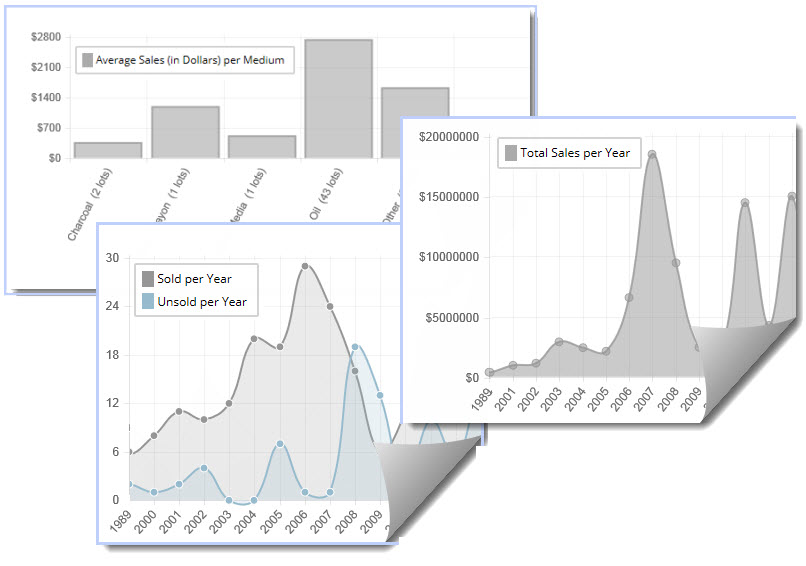
Bo Elson von Zweigbergk PRICE CHARTS
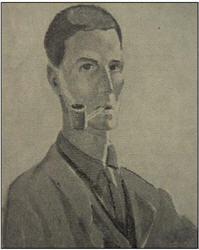
1897 - 1940. Known for: Land-and cityscape painting.
Bo von Zweigbergk's paintings from the 1920s are associated with a dynamic and austere cubism, a kind of futurism built on rhythmic contrasts, strongly influenced by Gösta Adrian-Nilsson. One can... Read full biography
Bo von Zweigbergk's paintings from the 1920s are associated with a dynamic and austere cubism, a kind of futurism built on rhythmic contrasts, strongly influenced by Gösta Adrian-Nilsson. One can also imagine the spirit of the cubist John Sten hovering over Zweigbergk's easel. His paintings are... Read full biography
Bo von Zweigbergk's paintings from the 1920s are associated with a dynamic and austere cubism, a kind of futurism built on rhythmic contrasts, strongly influenced by Gösta Adrian-Nilsson. One can also imagine the spirit of the cubist John Sten hovering over Zweigbergk's easel. His paintings are dominated by clear color tones, as in the current painting where the rosehip red color dominates. The artist achieved his strongest personal effects with the purist cityscapes, a decorative simplified... Read full biography
Bo von Zweigbergk's paintings from the 1920s are associated with a dynamic and austere cubism, a kind of futurism built on rhythmic contrasts, strongly influenced by Gösta Adrian-Nilsson. One can also imagine the spirit of the cubist John Sten hovering over Zweigbergk's easel. His paintings are dominated by clear color tones, as in the current painting where the rosehip red color dominates. The artist achieved his strongest personal effects with the purist cityscapes, a decorative simplified stylization in the spirit of the New Objectivity, which can be seen as the forerunner of the 1930s purists. You can mention artists like Torsten Jovinge, Wilhelm Wik and Helge Linden. Art writer Gotthard Johansson wrote about Zweigbergk's painting:... Read full biography
Bo von Zweigbergk's paintings from the 1920s are associated with a dynamic and austere cubism, a kind of futurism built on rhythmic contrasts, strongly influenced by Gösta Adrian-Nilsson. One can also imagine the spirit of the cubist John Sten hovering over Zweigbergk's easel. His paintings are dominated by clear color tones, as in the current painting where the rosehip red color dominates. The artist achieved his strongest personal effects with the purist cityscapes, a decorative simplified stylization in the spirit of the New Objectivity, which can be seen as the forerunner of the 1930s purists. You can mention artists like Torsten Jovinge, Wilhelm Wik and Helge Linden. Art writer Gotthard Johansson wrote about Zweigbergk's painting: