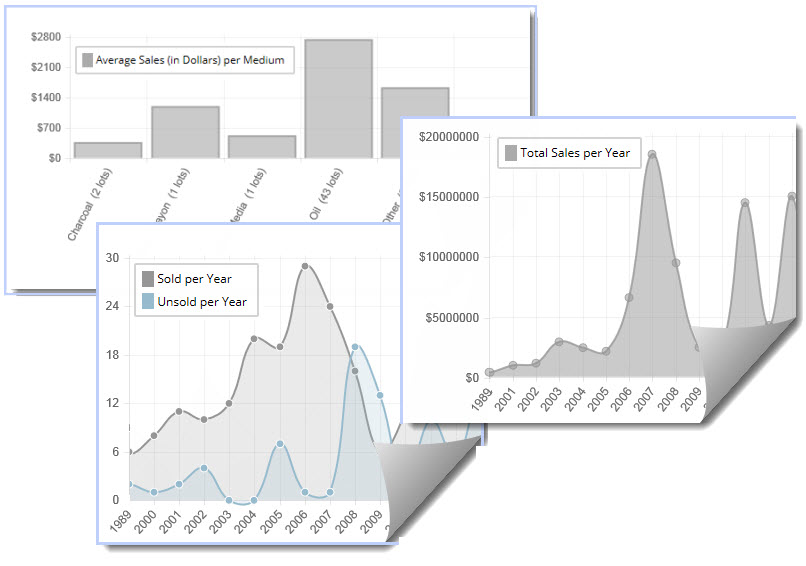
Emil Hauth PRICE CHARTS
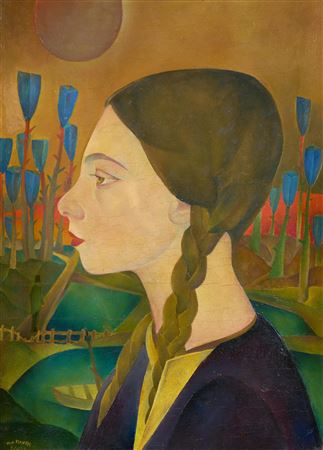
1899 Mayen - 1974 Munich. Known for: Painter and graphic artist, influenced by Max Beckmann and Cézanne, worked in New Objectivity style and realistic landscape paintings..
Van Hauth was a German painter and graphic artist. He studied in Munich, Darmstadt, Paris, and Berlin. He was a member of the Berlin Secession and became its last president in 1933 when it was... Read full biography
Van Hauth was a German painter and graphic artist. He studied in Munich, Darmstadt, Paris, and Berlin. He was a member of the Berlin Secession and became its last president in 1933 when it was dissolved. Van Hauth's early work was influenced by Max Beckmann, but he switched to the New Objectivity... Read full biography
Van Hauth was a German painter and graphic artist. He studied in Munich, Darmstadt, Paris, and Berlin. He was a member of the Berlin Secession and became its last president in 1933 when it was dissolved. Van Hauth's early work was influenced by Max Beckmann, but he switched to the New Objectivity style in 1925. After studying in Paris in 1926/27, he adopted Cézanne's style. He visited the artists' colony in Ahrenshoop several times around 1930, and his landscape paintings became more realistic
Van Hauth was a German painter and graphic artist. He studied in Munich, Darmstadt, Paris, and Berlin. He was a member of the Berlin Secession and became its last president in 1933 when it was dissolved. Van Hauth's early work was influenced by Max Beckmann, but he switched to the New Objectivity style in 1925. After studying in Paris in 1926/27, he adopted Cézanne's style. He visited the artists' colony in Ahrenshoop several times around 1930, and his landscape paintings became more realistic
Van Hauth was a German painter and graphic artist. He studied in Munich, Darmstadt, Paris, and Berlin. He was a member of the Berlin Secession and became its last president in 1933 when it was dissolved. Van Hauth's early work was influenced by Max Beckmann, but he switched to the New Objectivity style in 1925. After studying in Paris in 1926/27, he adopted Cézanne's style. He visited the artists' colony in Ahrenshoop several times around 1930, and his landscape paintings became more realistic