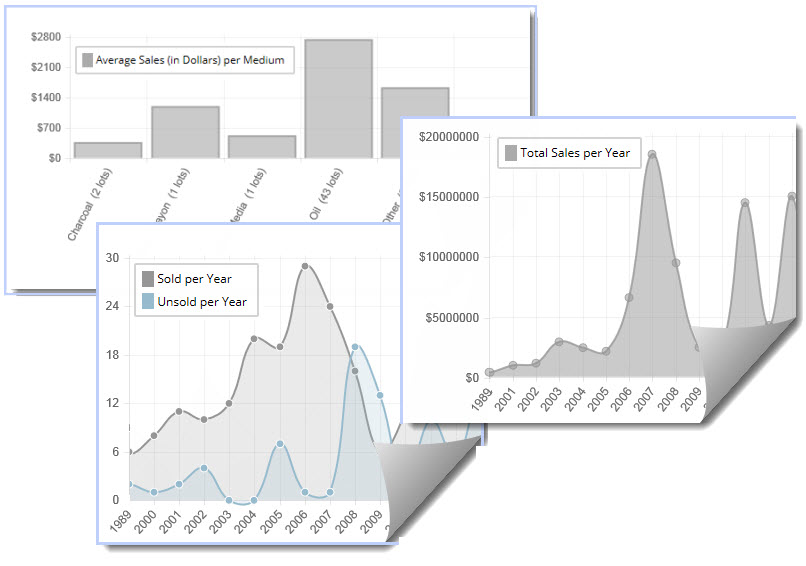
Eugene Gustavovitch Berman PRICE CHARTS
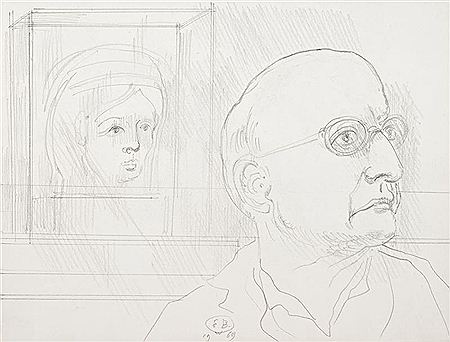
1899 St. Petersburg, Russia - 1972 Rome, Italy. Known for: Surreal genre and landscape painting, set design.
From Russia, Eugene Berman became a painter known for his imaginary landscapes and for his Baroque* stage set designs including for ballets and the Metropolitan Opera in New York. In France, he... Read full biography
From Russia, Eugene Berman became a painter known for his imaginary landscapes and for his Baroque* stage set designs including for ballets and the Metropolitan Opera in New York. In France, he became a leader among the Neo-Romantic artists, who defied the prevalent abstract* movements including... Read full biography
From Russia, Eugene Berman became a painter known for his imaginary landscapes and for his Baroque* stage set designs including for ballets and the Metropolitan Opera in New York. In France, he became a leader among the Neo-Romantic artists, who defied the prevalent abstract* movements including Cubism* and Futurism* and focused on expression of human emotion. He and his peers, including Georgio De Chirico, depicted a fantasy world of loneliness and isolation that existed only in their minds.... Read full biography
From Russia, Eugene Berman became a painter known for his imaginary landscapes and for his Baroque* stage set designs including for ballets and the Metropolitan Opera in New York. In France, he became a leader among the Neo-Romantic artists, who defied the prevalent abstract* movements including Cubism* and Futurism* and focused on expression of human emotion. He and his peers, including Georgio De Chirico, depicted a fantasy world of loneliness and isolation that existed only in their minds. He was fascinated by solitary figures amidst ruins, and much of his work explored space and the passing of time. He painted with oil on canvas and achieved the smooth effect of the Old Masters*. In his landscapes, he placed his figures and... Read full biography
From Russia, Eugene Berman became a painter known for his imaginary landscapes and for his Baroque* stage set designs including for ballets and the Metropolitan Opera in New York. In France, he became a leader among the Neo-Romantic artists, who defied the prevalent abstract* movements including Cubism* and Futurism* and focused on expression of human emotion. He and his peers, including Georgio De Chirico, depicted a fantasy world of loneliness and isolation that existed only in their minds. He was fascinated by solitary figures amidst ruins, and much of his work explored space and the passing of time. He painted with oil on canvas and achieved the smooth effect of the Old Masters*. In his landscapes, he placed his figures and architectural structures very precisely with an order that encouraged viewer contemplation and did not offer distractions.... Read full biography