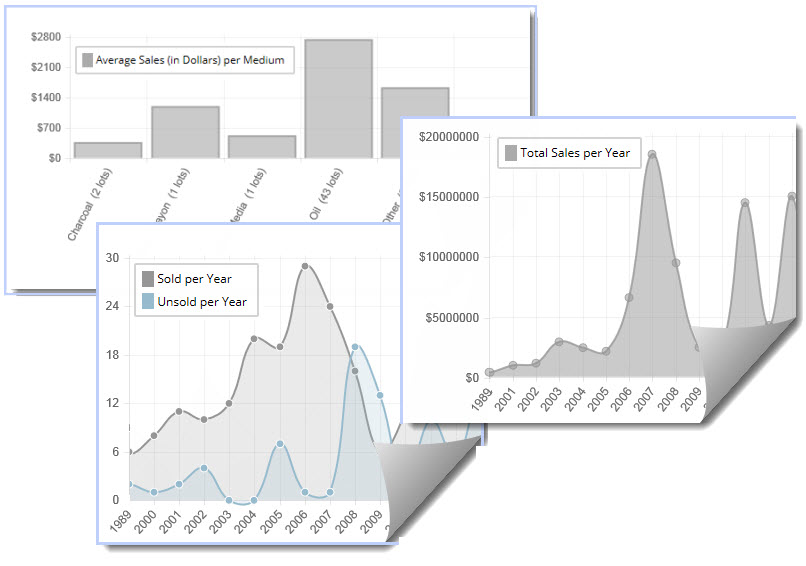
George Inness PRICE CHARTS
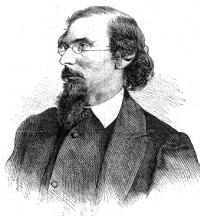
1825 Newburgh, New York - 1894 Bridge of Allan, Scotland. Known for: Landscape and some marine-coastal painting.
"George Inness and the Visionary Landscape" at the National Academy of Design . Submitted By RAYMOND J. STEINER and written for ART TIMES October 2003. AS WITH ANY artist worthy of the title, George... Read full biography
"George Inness and the Visionary Landscape" at the National Academy of Design . Submitted By RAYMOND J. STEINER and written for ART TIMES October 2003. AS WITH ANY artist worthy of the title, George Inness (18251894) is not easily summed up. Often associated with the Hudson River School, he was, in... Read full biography
"George Inness and the Visionary Landscape" at the National Academy of Design . Submitted By RAYMOND J. STEINER and written for ART TIMES October 2003. AS WITH ANY artist worthy of the title, George Inness (18251894) is not easily summed up. Often associated with the Hudson River School, he was, in fact, aesthetically in opposition to the large, detailed canvases which characterized the work of such painters as Thomas Cole (1801-1848) and Frederic Edwin Church (1826-1900), two major... Read full biography
"George Inness and the Visionary Landscape" at the National Academy of Design . Submitted By RAYMOND J. STEINER and written for ART TIMES October 2003. AS WITH ANY artist worthy of the title, George Inness (18251894) is not easily summed up. Often associated with the Hudson River School, he was, in fact, aesthetically in opposition to the large, detailed canvases which characterized the work of such painters as Thomas Cole (1801-1848) and Frederic Edwin Church (1826-1900), two major representative painters of that group. Others see him as a transplanted member of the French Barbizon School, more in tune with their less grandiose, more intimate landscapes of homely, domesticated scenes of rural France. Still others as the title of this... Read full biography
"George Inness and the Visionary Landscape" at the National Academy of Design . Submitted By RAYMOND J. STEINER and written for ART TIMES October 2003. AS WITH ANY artist worthy of the title, George Inness (18251894) is not easily summed up. Often associated with the Hudson River School, he was, in fact, aesthetically in opposition to the large, detailed canvases which characterized the work of such painters as Thomas Cole (1801-1848) and Frederic Edwin Church (1826-1900), two major representative painters of that group. Others see him as a transplanted member of the French Barbizon School, more in tune with their less grandiose, more intimate landscapes of homely, domesticated scenes of rural France. Still others as the title of this exhibition* indicates see him as a visionary theorist, painting dreamy landscapes fraught with symbolic messages and m... Read full biography