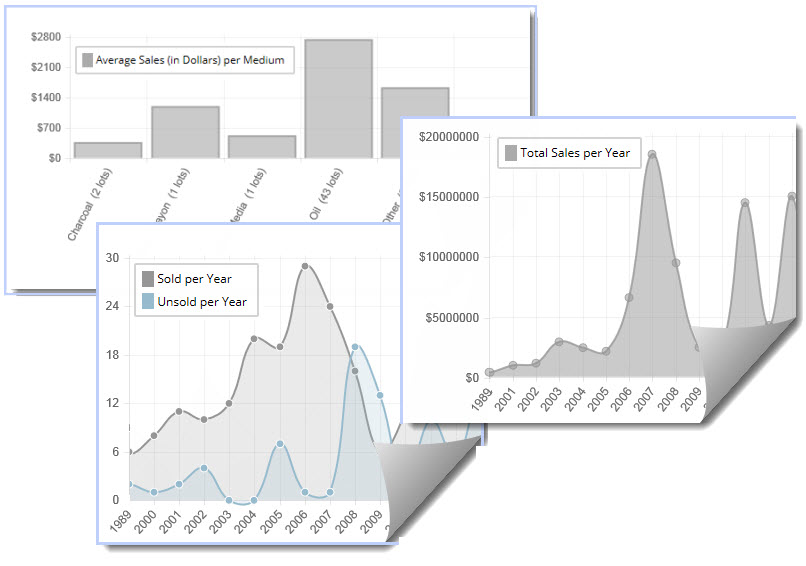
Iosif Iser PRICE CHARTS
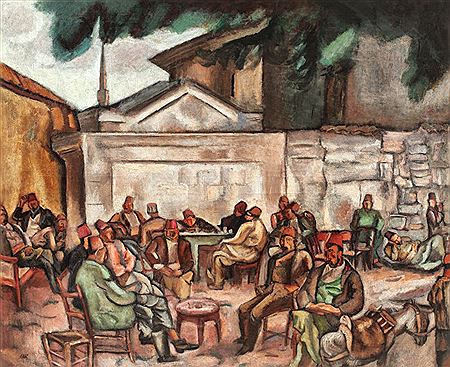
1881 Bucharest - 1958 Bucharest. Known for: Painting, graphic art.
Iosif Iser was born to a Jewish family. He was initially inspired by Expressionism, creating drawings with thick, unmodulated, lines and steep angles. After studies in Munich and Paris (with, among... Read full biography
Iosif Iser was born to a Jewish family. He was initially inspired by Expressionism, creating drawings with thick, unmodulated, lines and steep angles. After studies in Munich and Paris (with, among others, André Derain), Iser worked for the socialist press (Facla and the original version of... Read full biography
Iosif Iser was born to a Jewish family. He was initially inspired by Expressionism, creating drawings with thick, unmodulated, lines and steep angles. After studies in Munich and Paris (with, among others, André Derain), Iser worked for the socialist press (Facla and the original version of Adevarul), publishing a large number of caricatures (most of them satirizing the Romanian Monarchy). He also started his first series of paintings with Dobrujan themes, usually featuring local Tatar... Read full biography
Iosif Iser was born to a Jewish family. He was initially inspired by Expressionism, creating drawings with thick, unmodulated, lines and steep angles. After studies in Munich and Paris (with, among others, André Derain), Iser worked for the socialist press (Facla and the original version of Adevarul), publishing a large number of caricatures (most of them satirizing the Romanian Monarchy). He also started his first series of paintings with Dobrujan themes, usually featuring local Tatar portraits. Around 1920, Iosif Iser adopted a more luminous range of colors, while softening the textures. He continued his "Tatar" themes with his Tataroaica în albastru ("Tatar Woman in Blue") and Famile de tatari ("Tatar Family"). He expanded on another... Read full biography
Iosif Iser was born to a Jewish family. He was initially inspired by Expressionism, creating drawings with thick, unmodulated, lines and steep angles. After studies in Munich and Paris (with, among others, André Derain), Iser worked for the socialist press (Facla and the original version of Adevarul), publishing a large number of caricatures (most of them satirizing the Romanian Monarchy). He also started his first series of paintings with Dobrujan themes, usually featuring local Tatar portraits. Around 1920, Iosif Iser adopted a more luminous range of colors, while softening the textures. He continued his "Tatar" themes with his Tataroaica în albastru ("Tatar Woman in Blue") and Famile de tatari ("Tatar Family"). He expanded on another series, one that depicted harlequins. In 1955, he was el... Read full biography