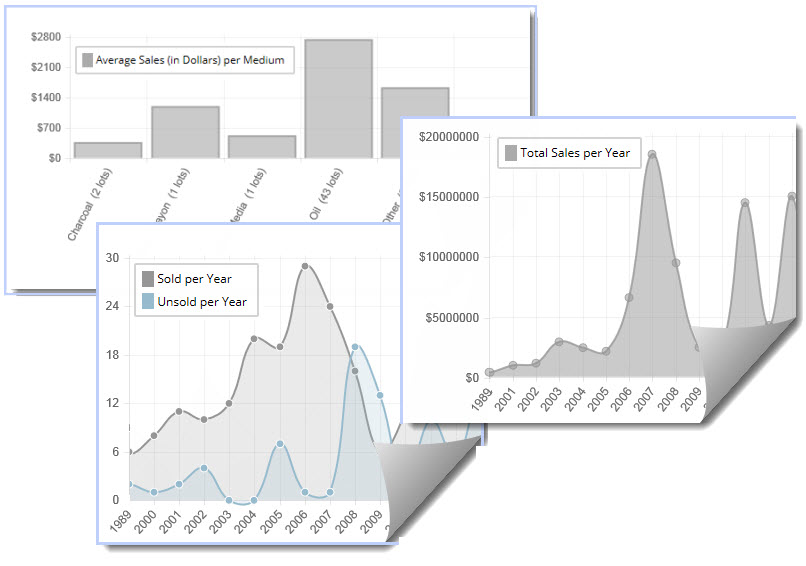
Jean Baptiste Mallet PRICE CHARTS
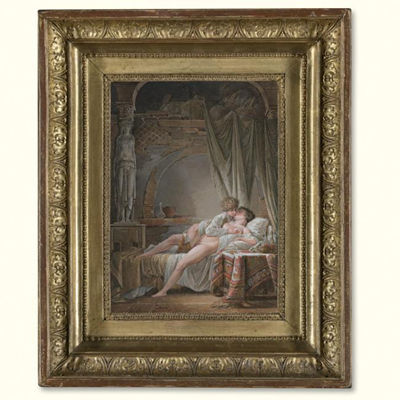
1759 Grasse - 1835 Paris. Known for: Figure, genre paintings.
Jean-Baptiste Mallet, baptized at Grasse in 1759, follows Fragonard. He trained in Toulon and then in Paris, where he most probably worked with Pierre-Paul Prud'hon. Mallet exhibited at the Salon... Read full biography
Jean-Baptiste Mallet, baptized at Grasse in 1759, follows Fragonard. He trained in Toulon and then in Paris, where he most probably worked with Pierre-Paul Prud'hon. Mallet exhibited at the Salon during a large part of his career, during which he espoused changes in the taste of his audience. He... Read full biography
Jean-Baptiste Mallet, baptized at Grasse in 1759, follows Fragonard. He trained in Toulon and then in Paris, where he most probably worked with Pierre-Paul Prud'hon. Mallet exhibited at the Salon during a large part of his career, during which he espoused changes in the taste of his audience. He first concentrated on genre scenes, inspired by the school of the North, while preserving a gallant side that appeals to amateurs. Under the Empire, he favored the antiquity subjects, finally turning to... Read full biography
Jean-Baptiste Mallet, baptized at Grasse in 1759, follows Fragonard. He trained in Toulon and then in Paris, where he most probably worked with Pierre-Paul Prud'hon. Mallet exhibited at the Salon during a large part of his career, during which he espoused changes in the taste of his audience. He first concentrated on genre scenes, inspired by the school of the North, while preserving a gallant side that appeals to amateurs. Under the Empire, he favored the antiquity subjects, finally turning to troubadour painting which will enjoy great success under the Restoration.... Read full biography
Jean-Baptiste Mallet, baptized at Grasse in 1759, follows Fragonard. He trained in Toulon and then in Paris, where he most probably worked with Pierre-Paul Prud'hon. Mallet exhibited at the Salon during a large part of his career, during which he espoused changes in the taste of his audience. He first concentrated on genre scenes, inspired by the school of the North, while preserving a gallant side that appeals to amateurs. Under the Empire, he favored the antiquity subjects, finally turning to troubadour painting which will enjoy great success under the Restoration.... Read full biography