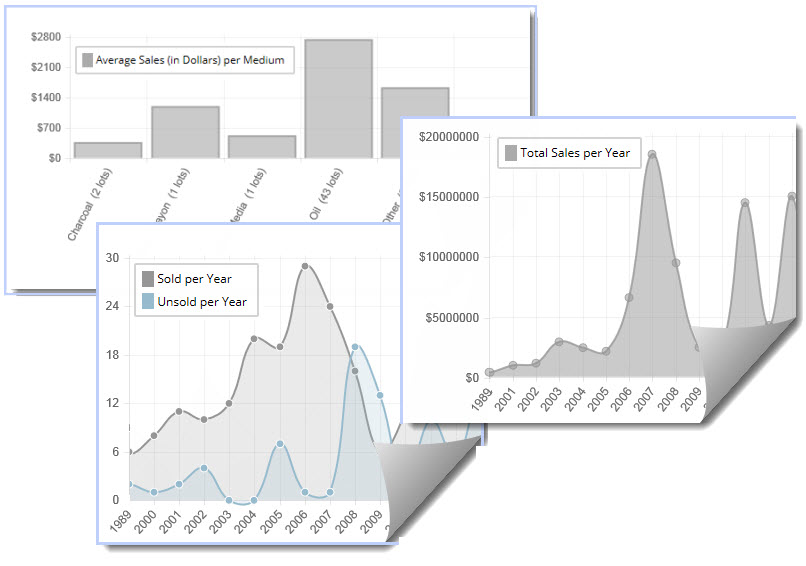
John E Ferneley Sr PRICE CHARTS
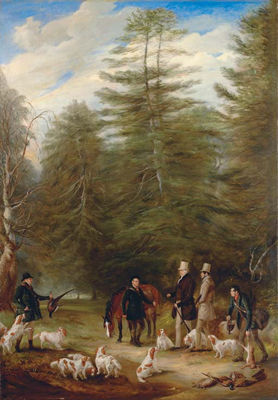
1782 Thrussington, Leicestershire, England - 1860 Melton Mowbray, England. Known for: Portrait, figure, landscape, horse painting, hunting scenes.
An English painter specializing in horses, dogs, and outdoor sporting scenes such as fox hunts, "he is regarded as one of the great British equine artists, second perhaps only to George Stubbs.". He... Read full biography
An English painter specializing in horses, dogs, and outdoor sporting scenes such as fox hunts, "he is regarded as one of the great British equine artists, second perhaps only to George Stubbs.". He was first apprenticed until 1801 to his father, who was a master wheelwright, and then he was... Read full biography
An English painter specializing in horses, dogs, and outdoor sporting scenes such as fox hunts, "he is regarded as one of the great British equine artists, second perhaps only to George Stubbs.". He was first apprenticed until 1801 to his father, who was a master wheelwright, and then he was encouraged to take up painting by John Manners, 5th Duke of Rutland. Pursuing this idea, he moved to London and studied under the sporting artist Benjamin Marshall. While training with Marshall he joined... Read full biography
An English painter specializing in horses, dogs, and outdoor sporting scenes such as fox hunts, "he is regarded as one of the great British equine artists, second perhaps only to George Stubbs.". He was first apprenticed until 1801 to his father, who was a master wheelwright, and then he was encouraged to take up painting by John Manners, 5th Duke of Rutland. Pursuing this idea, he moved to London and studied under the sporting artist Benjamin Marshall. While training with Marshall he joined the Royal Academy School. His work was exhibited between 1806 and 1853 at the Royal Academy. He traveled extensively in Ireland from 1806 to 1809, but returned to England to marry, and started working from Melton Mowbray. Here he built his studio and... Read full biography
An English painter specializing in horses, dogs, and outdoor sporting scenes such as fox hunts, "he is regarded as one of the great British equine artists, second perhaps only to George Stubbs.". He was first apprenticed until 1801 to his father, who was a master wheelwright, and then he was encouraged to take up painting by John Manners, 5th Duke of Rutland. Pursuing this idea, he moved to London and studied under the sporting artist Benjamin Marshall. While training with Marshall he joined the Royal Academy School. His work was exhibited between 1806 and 1853 at the Royal Academy. He traveled extensively in Ireland from 1806 to 1809, but returned to England to marry, and started working from Melton Mowbray. Here he built his studio and later a house, Elgin Lodge, on the Sleaford Road. Melton Mowbray was fast becoming a watering hole for the spo... Read full biography