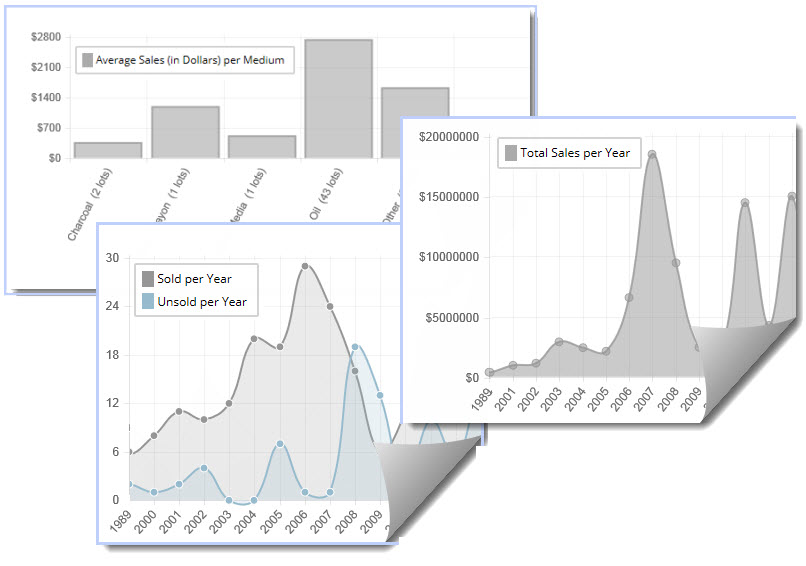
Jusepe (Giuseppe) de Ribera PRICE CHARTS
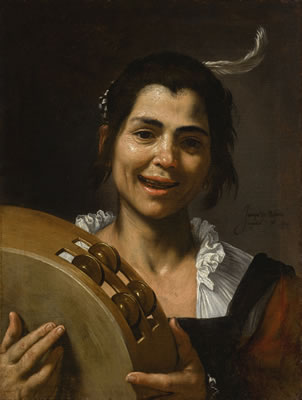
1591 Jativa, Valencia - 1652 Naples, Italy. Known for: Religious figure painting.
Jusepe de Ribera was born in 1591 at Jativa, near Valencia, Spain. Nothing is known of his early work except that he received his first instruction from Francisco Ribalta in Valencia and his work was... Read full biography
Jusepe de Ribera was born in 1591 at Jativa, near Valencia, Spain. Nothing is known of his early work except that he received his first instruction from Francisco Ribalta in Valencia and his work was influenced by Veronese and Correggio. Ribera left Spain when he was sixteen, spent some time in... Read full biography
Jusepe de Ribera was born in 1591 at Jativa, near Valencia, Spain. Nothing is known of his early work except that he received his first instruction from Francisco Ribalta in Valencia and his work was influenced by Veronese and Correggio. Ribera left Spain when he was sixteen, spent some time in Parma and Rome, then settled in Naples in 1616. Naples was a Spanish possession at the time and the largest city in Europe after Paris. Although Ribera never returned to Spain, he continued to think of... Read full biography
Jusepe de Ribera was born in 1591 at Jativa, near Valencia, Spain. Nothing is known of his early work except that he received his first instruction from Francisco Ribalta in Valencia and his work was influenced by Veronese and Correggio. Ribera left Spain when he was sixteen, spent some time in Parma and Rome, then settled in Naples in 1616. Naples was a Spanish possession at the time and the largest city in Europe after Paris. Although Ribera never returned to Spain, he continued to think of himself as a Spaniard; the Italians called him La Spagnoletto, the little Spaniard. Ribera's art followed in the tradition of Caravaggio; the Roman Catholic Church provided most of the subject matter. He was a facile and accomplished worker and so... Read full biography
Jusepe de Ribera was born in 1591 at Jativa, near Valencia, Spain. Nothing is known of his early work except that he received his first instruction from Francisco Ribalta in Valencia and his work was influenced by Veronese and Correggio. Ribera left Spain when he was sixteen, spent some time in Parma and Rome, then settled in Naples in 1616. Naples was a Spanish possession at the time and the largest city in Europe after Paris. Although Ribera never returned to Spain, he continued to think of himself as a Spaniard; the Italians called him La Spagnoletto, the little Spaniard. Ribera's art followed in the tradition of Caravaggio; the Roman Catholic Church provided most of the subject matter. He was a facile and accomplished worker and so successful in his commissions that he employed a large staff of assistants. He died in 1652. Written and submitted by Jean Ershler Schatz, a... Read full biography