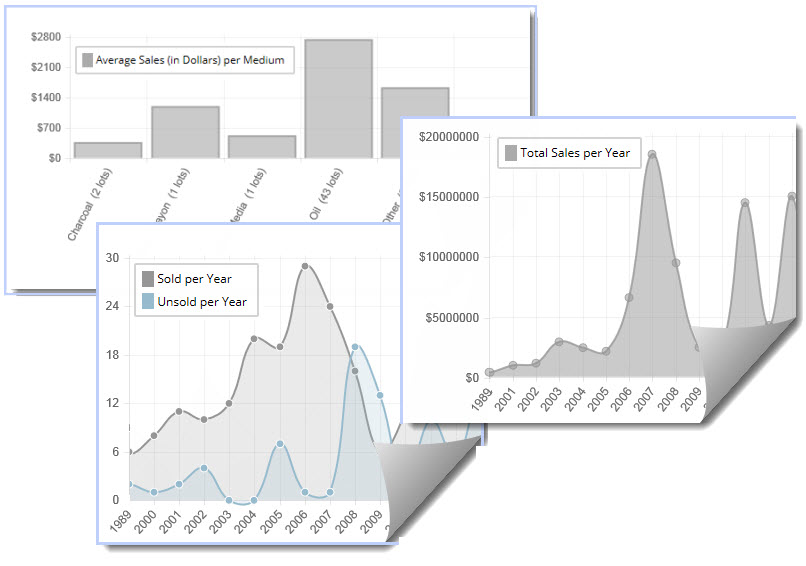
Karin Jonzen PRICE CHARTS
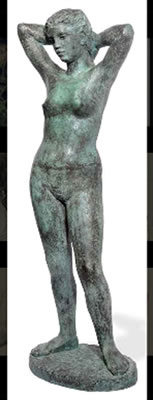
1914 London, England - 1998. Known for: Human figurative sculpture.
Lots Sold: 70%, High Price: Subscribe.
Sculptor Karin Jonzen was born in London to Swedish parents, and was educated at prestigious art academies including the Slade School of Fine Art and the Swedish Royal Academy. While over the course... Read full biography
Sculptor Karin Jonzen was born in London to Swedish parents, and was educated at prestigious art academies including the Slade School of Fine Art and the Swedish Royal Academy. While over the course of the twentieth century sculpture started to veer towards abstraction, Jonzen remained loyal to and... Read full biography
Sculptor Karin Jonzen was born in London to Swedish parents, and was educated at prestigious art academies including the Slade School of Fine Art and the Swedish Royal Academy. While over the course of the twentieth century sculpture started to veer towards abstraction, Jonzen remained loyal to and continued to develop her figurative style and her preferred subject of the human body. Characterised by their tactile and, as often noted by the artist herself, their 'natural' appearance, Jonzen's... Read full biography
Sculptor Karin Jonzen was born in London to Swedish parents, and was educated at prestigious art academies including the Slade School of Fine Art and the Swedish Royal Academy. While over the course of the twentieth century sculpture started to veer towards abstraction, Jonzen remained loyal to and continued to develop her figurative style and her preferred subject of the human body. Characterised by their tactile and, as often noted by the artist herself, their 'natural' appearance, Jonzen's works portray an incredible sensitivity to and understanding of the human form. Jonzen was awarded the Prix de Rome in 1939 (according to a plaque on another version of Resting Youth, the present model was her winning entry), and the Feodora Gleichen... Read full biography
Sculptor Karin Jonzen was born in London to Swedish parents, and was educated at prestigious art academies including the Slade School of Fine Art and the Swedish Royal Academy. While over the course of the twentieth century sculpture started to veer towards abstraction, Jonzen remained loyal to and continued to develop her figurative style and her preferred subject of the human body. Characterised by their tactile and, as often noted by the artist herself, their 'natural' appearance, Jonzen's works portray an incredible sensitivity to and understanding of the human form. Jonzen was awarded the Prix de Rome in 1939 (according to a plaque on another version of Resting Youth, the present model was her winning entry), and the Feodora Gleichen Award in 1948. Several of her public sculptures still grace the streets... Read full biography