Kenneth Armitage PRICE CHARTS
1916 - 2002. Known for: Semi-abstract sculpture.
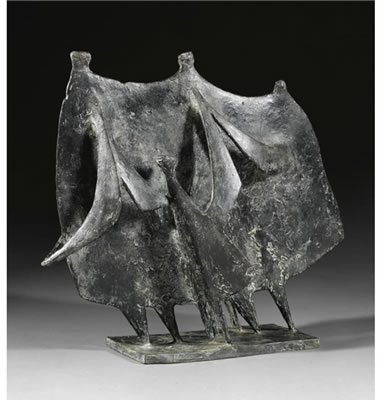
Kenneth Armitage (1916-2002). Born July 18, 1916, he was among the most significant British sculptors of the 20th century. In the elongated, fragile forms of his work, his overriding concern was... Read full biography
Kenneth Armitage (1916-2002). Born July 18, 1916, he was among the most significant British sculptors of the 20th century. In the elongated, fragile forms of his work, his overriding concern was always with humanity; a preoccupation with feelings expressed through the language of the body. The... Read full biography
Kenneth Armitage (1916-2002). Born July 18, 1916, he was among the most significant British sculptors of the 20th century. In the elongated, fragile forms of his work, his overriding concern was always with humanity; a preoccupation with feelings expressed through the language of the body. The figurative image of man remained central to his work, and his departures into the world of non-figuration were always of short duration. He saw his sculpture as a way of communicating essential truths. "I... Read full biography
Kenneth Armitage (1916-2002). Born July 18, 1916, he was among the most significant British sculptors of the 20th century. In the elongated, fragile forms of his work, his overriding concern was always with humanity; a preoccupation with feelings expressed through the language of the body. The figurative image of man remained central to his work, and his departures into the world of non-figuration were always of short duration. He saw his sculpture as a way of communicating essential truths. "I believe that art is something shared among us and feel almost apologetic for the effort and specialization involved in its production," he wrote early in his career, in 1955. In 1958, he won best international British sculpture under age 45 at the... Read full biography
Kenneth Armitage (1916-2002). Born July 18, 1916, he was among the most significant British sculptors of the 20th century. In the elongated, fragile forms of his work, his overriding concern was always with humanity; a preoccupation with feelings expressed through the language of the body. The figurative image of man remained central to his work, and his departures into the world of non-figuration were always of short duration. He saw his sculpture as a way of communicating essential truths. "I believe that art is something shared among us and feel almost apologetic for the effort and specialization involved in its production," he wrote early in his career, in 1955. In 1958, he won best international British sculpture under age 45 at the 29th Venice Biennale. Although his work was the product of careful study and preparation, he wish... Read full biography