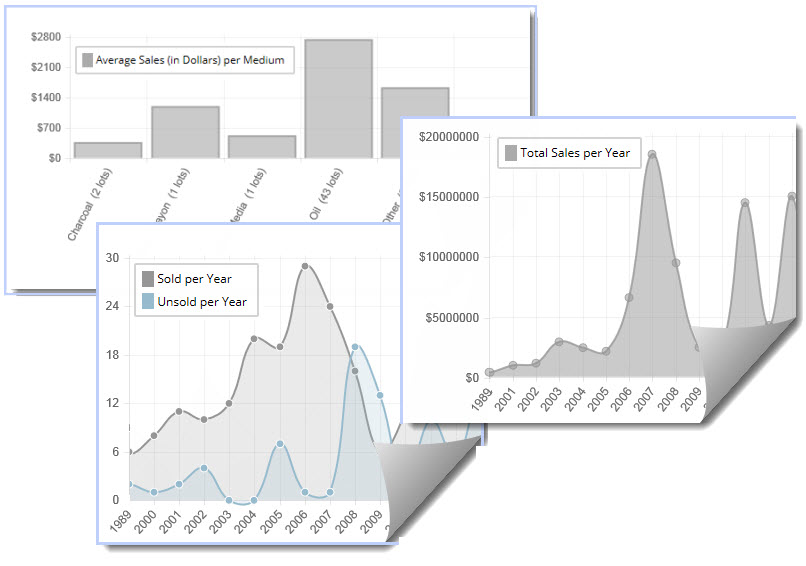
Mark di Suvero PRICE CHARTS
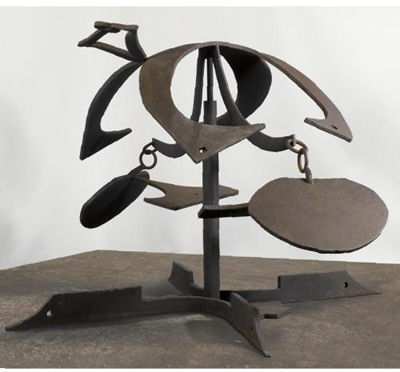
Born 1933 Shanghai, China. Known for: Large scale geometric sculpture, drawings.
Mark di Suvero is a sculptor, combining Abstract Expressionist instincts with assemblage techniques. Born in Shanghai, China, where his father, an officer in the Italian navy, was stationed, he came... Read full biography
Mark di Suvero is a sculptor, combining Abstract Expressionist instincts with assemblage techniques. Born in Shanghai, China, where his father, an officer in the Italian navy, was stationed, he came to San Francisco in 1941. After studying art from 1953 to 1957 at the University of California, he... Read full biography
Mark di Suvero is a sculptor, combining Abstract Expressionist instincts with assemblage techniques. Born in Shanghai, China, where his father, an officer in the Italian navy, was stationed, he came to San Francisco in 1941. After studying art from 1953 to 1957 at the University of California, he moved to New York City and became a predominant figure in establishing the Park Place, an early cooperative gallery. Until the mid-1960s, di Suvero combined large weathered timbers, rope, wire, and... Read full biography
Mark di Suvero is a sculptor, combining Abstract Expressionist instincts with assemblage techniques. Born in Shanghai, China, where his father, an officer in the Italian navy, was stationed, he came to San Francisco in 1941. After studying art from 1953 to 1957 at the University of California, he moved to New York City and became a predominant figure in establishing the Park Place, an early cooperative gallery. Until the mid-1960s, di Suvero combined large weathered timbers, rope, wire, and found objects such as tires in large-scaled, open compositions without bases (Champion, 1960). These works have been called the three-dimensional equivalents to paintings by Willem De Kooning and Franz Kline. Due to severe injuries in 1960, di Suvero... Read full biography
Mark di Suvero is a sculptor, combining Abstract Expressionist instincts with assemblage techniques. Born in Shanghai, China, where his father, an officer in the Italian navy, was stationed, he came to San Francisco in 1941. After studying art from 1953 to 1957 at the University of California, he moved to New York City and became a predominant figure in establishing the Park Place, an early cooperative gallery. Until the mid-1960s, di Suvero combined large weathered timbers, rope, wire, and found objects such as tires in large-scaled, open compositions without bases (Champion, 1960). These works have been called the three-dimensional equivalents to paintings by Willem De Kooning and Franz Kline. Due to severe injuries in 1960, di Suvero was forced to create smaller pieces using welded steel and wood. He recovered within a few years and in the... Read full biography