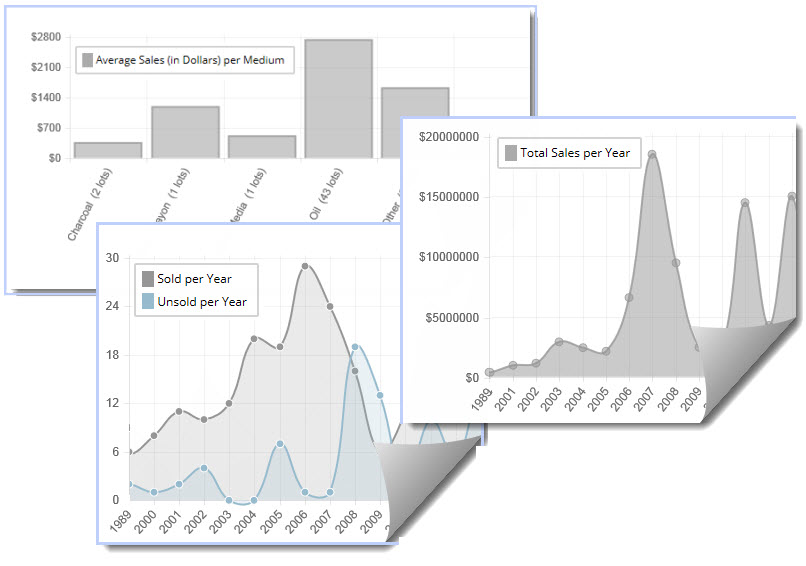
Martin van Meytens PRICE CHARTS
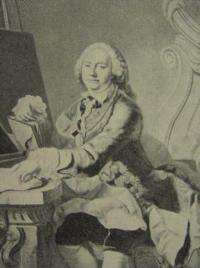
1695 Stockholm - 1770 Vienna, Austria. Known for: Paintings.
After working in various European cities, Martin van Meytens settled in Vienna around 1730, where he was appointed court painter in 1732. Working mostly as a portrait painter, Meytens portrayed the... Read full biography
After working in various European cities, Martin van Meytens settled in Vienna around 1730, where he was appointed court painter in 1732. Working mostly as a portrait painter, Meytens portrayed the members of the imperial family and the nobility of Austria, Hungary, Bohemia, and Moravia. His works... Read full biography
After working in various European cities, Martin van Meytens settled in Vienna around 1730, where he was appointed court painter in 1732. Working mostly as a portrait painter, Meytens portrayed the members of the imperial family and the nobility of Austria, Hungary, Bohemia, and Moravia. His works are characterized by a precise and detailed representation of 18th-century court fashion, showing exquisite details in lacework and embroidery, of which the present painting attests. Besides... Read full biography
After working in various European cities, Martin van Meytens settled in Vienna around 1730, where he was appointed court painter in 1732. Working mostly as a portrait painter, Meytens portrayed the members of the imperial family and the nobility of Austria, Hungary, Bohemia, and Moravia. His works are characterized by a precise and detailed representation of 18th-century court fashion, showing exquisite details in lacework and embroidery, of which the present painting attests. Besides successfully running his workshop and delivering a vast amount of portraits, Van Meytens was also Director of the Akademie der Bildenden Künste, Vienna (1759) and oversaw significant imperial painting commissions. German art historian and collector Christian... Read full biography
After working in various European cities, Martin van Meytens settled in Vienna around 1730, where he was appointed court painter in 1732. Working mostly as a portrait painter, Meytens portrayed the members of the imperial family and the nobility of Austria, Hungary, Bohemia, and Moravia. His works are characterized by a precise and detailed representation of 18th-century court fashion, showing exquisite details in lacework and embroidery, of which the present painting attests. Besides successfully running his workshop and delivering a vast amount of portraits, Van Meytens was also Director of the Akademie der Bildenden Künste, Vienna (1759) and oversaw significant imperial painting commissions. German art historian and collector Christian Ludwig von Hagedorn (1712–1780) lauded him as the ‘Van Dyck of the present day’.