Theodor Joseph Hagen PRICE CHARTS
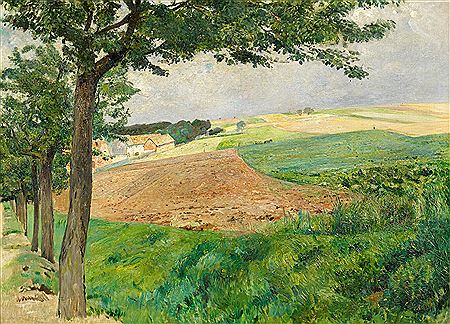
1842 Dusseldorf - 1919 Weimar. Known for: Landscape painting.
Theodor Hagen is one of the founders of German Impressionism and as stylistically influential representatives of the Weimar Art School. The plein air painters often took trips to the countryside and... Read full biography
Theodor Hagen is one of the founders of German Impressionism and as stylistically influential representatives of the Weimar Art School. The plein air painters often took trips to the countryside and painted landscape scenes of sober mood. Hagen has participated in numerous group exhibitions,... Read full biography
Theodor Hagen is one of the founders of German Impressionism and as stylistically influential representatives of the Weimar Art School. The plein air painters often took trips to the countryside and painted landscape scenes of sober mood. Hagen has participated in numerous group exhibitions, including at the Berlin Academy, the German Association of Artists in Weimar and the Munich Glass Palace. In 1893 he became a member of Munich Secession and in 1902 a member of the Berlin Secession.... Read full biography
Theodor Hagen is one of the founders of German Impressionism and as stylistically influential representatives of the Weimar Art School. The plein air painters often took trips to the countryside and painted landscape scenes of sober mood. Hagen has participated in numerous group exhibitions, including at the Berlin Academy, the German Association of Artists in Weimar and the Munich Glass Palace. In 1893 he became a member of Munich Secession and in 1902 a member of the Berlin Secession.
Theodor Hagen is one of the founders of German Impressionism and as stylistically influential representatives of the Weimar Art School. The plein air painters often took trips to the countryside and painted landscape scenes of sober mood. Hagen has participated in numerous group exhibitions, including at the Berlin Academy, the German Association of Artists in Weimar and the Munich Glass Palace. In 1893 he became a member of Munich Secession and in 1902 a member of the Berlin Secession.