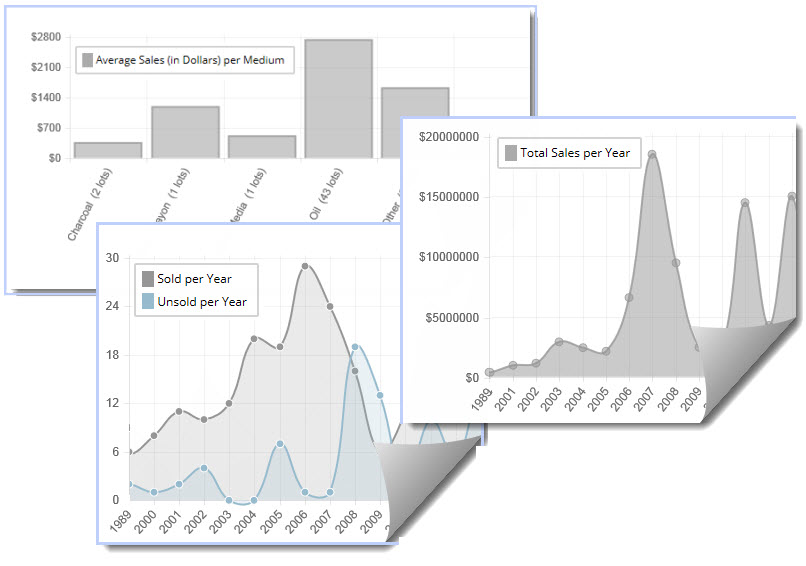
Walter Jacob PRICE CHARTS
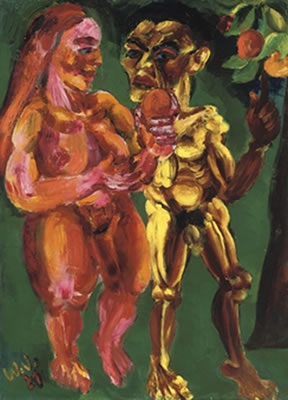
1893 Altenburg - 1964 Hindelang. Known for: Painting.
In 1910, Walter Jacob (1893-1964) started training in decorative painting in Meerane, where he met Ernst Müller-Gräfe, who would be influential for Jacob’s artistic development. In his early work, he... Read full biography
In 1910, Walter Jacob (1893-1964) started training in decorative painting in Meerane, where he met Ernst Müller-Gräfe, who would be influential for Jacob’s artistic development. In his early work, he created especially drawings, resulting from a lack of money. After the First World War, Jacob was a... Read full biography
In 1910, Walter Jacob (1893-1964) started training in decorative painting in Meerane, where he met Ernst Müller-Gräfe, who would be influential for Jacob’s artistic development. In his early work, he created especially drawings, resulting from a lack of money. After the First World War, Jacob was a student at the Dresden Academy and in contact with Robert Sterl, whose master student he was from 1919-20. In his following works, Jacob dealt with his war experiences. After the war, he worked... Read full biography
In 1910, Walter Jacob (1893-1964) started training in decorative painting in Meerane, where he met Ernst Müller-Gräfe, who would be influential for Jacob’s artistic development. In his early work, he created especially drawings, resulting from a lack of money. After the First World War, Jacob was a student at the Dresden Academy and in contact with Robert Sterl, whose master student he was from 1919-20. In his following works, Jacob dealt with his war experiences. After the war, he worked mainly on woodcuts and was in contact with the artist’s group ‘Dresden Secession Group 1919’, but also with Kokoschka and Dix. Starting in 1920, he painted intensely-colored, expressive oil paintings, including subjects of the war, the Passion of Christ... Read full biography
In 1910, Walter Jacob (1893-1964) started training in decorative painting in Meerane, where he met Ernst Müller-Gräfe, who would be influential for Jacob’s artistic development. In his early work, he created especially drawings, resulting from a lack of money. After the First World War, Jacob was a student at the Dresden Academy and in contact with Robert Sterl, whose master student he was from 1919-20. In his following works, Jacob dealt with his war experiences. After the war, he worked mainly on woodcuts and was in contact with the artist’s group ‘Dresden Secession Group 1919’, but also with Kokoschka and Dix. Starting in 1920, he painted intensely-colored, expressive oil paintings, including subjects of the war, the Passion of Christ and the metropolis. After a long stay in Berlin, he undertook study trips to Hallig Hooge, Upper Bavaria,... Read full biography