Yun Gu PRICE CHARTS
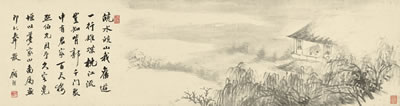
1835 Suzhou, Jiangsu Province - 1896 Shanghai. Known for: Refined flower paintings.
Gu Yun (1835–1896), courtesy name Ruobo, was a native of Suzhou in Jiangsu province. He later joined the vibrant community of artists in Shanghai, where his refined and understated style earned him... Read full biography
Gu Yun (1835–1896), courtesy name Ruobo, was a native of Suzhou in Jiangsu province. He later joined the vibrant community of artists in Shanghai, where his refined and understated style earned him recognition. Gu Yun was a frequent visitor to Gu Wenbin’s “Hall of Passing Clouds”, where he studied... Read full biography
Gu Yun (1835–1896), courtesy name Ruobo, was a native of Suzhou in Jiangsu province. He later joined the vibrant community of artists in Shanghai, where his refined and understated style earned him recognition. Gu Yun was a frequent visitor to Gu Wenbin’s “Hall of Passing Clouds”, where he studied and copied masterpieces spanning the Song to Qing dynasties. His works reveal a profound respect for the masters of ancient times, blending tradition with his own distinctive sensibility. In 1888, Gu... Read full biography
Gu Yun (1835–1896), courtesy name Ruobo, was a native of Suzhou in Jiangsu province. He later joined the vibrant community of artists in Shanghai, where his refined and understated style earned him recognition. Gu Yun was a frequent visitor to Gu Wenbin’s “Hall of Passing Clouds”, where he studied and copied masterpieces spanning the Song to Qing dynasties. His works reveal a profound respect for the masters of ancient times, blending tradition with his own distinctive sensibility. In 1888, Gu Yun traveled to Japan, residing at the Qing embassy. Many of his paintings remained there until they were tragically destroyed in the Great Kanto Earthquake of 1923. His art is especially admired for its flower paintings, characterized by brushwork... Read full biography
Gu Yun (1835–1896), courtesy name Ruobo, was a native of Suzhou in Jiangsu province. He later joined the vibrant community of artists in Shanghai, where his refined and understated style earned him recognition. Gu Yun was a frequent visitor to Gu Wenbin’s “Hall of Passing Clouds”, where he studied and copied masterpieces spanning the Song to Qing dynasties. His works reveal a profound respect for the masters of ancient times, blending tradition with his own distinctive sensibility. In 1888, Gu Yun traveled to Japan, residing at the Qing embassy. Many of his paintings remained there until they were tragically destroyed in the Great Kanto Earthquake of 1923. His art is especially admired for its flower paintings, characterized by brushwork influenced by Zhao Zhiqian, with stylistic echoes of the Wei stele and Han dynasty: thick, gorgeous colors, plump and monumental fo... Read full biography