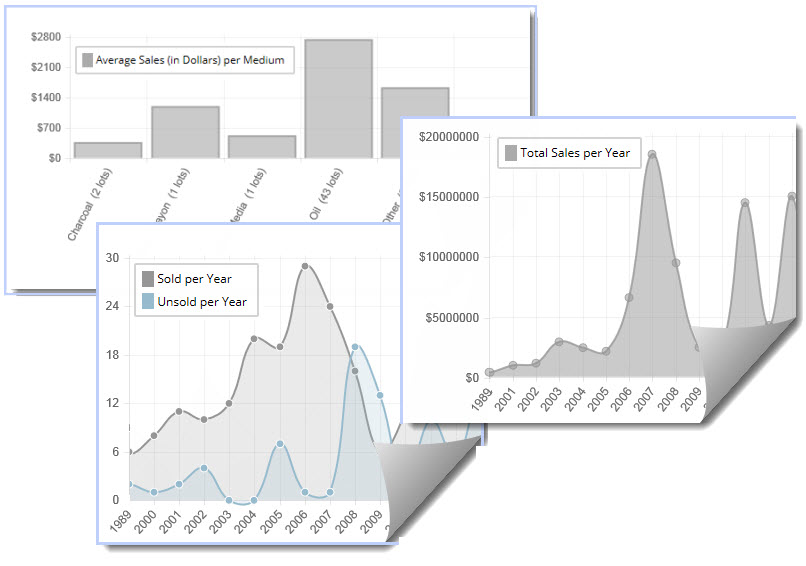
Zainul Abedin PRICE CHARTS
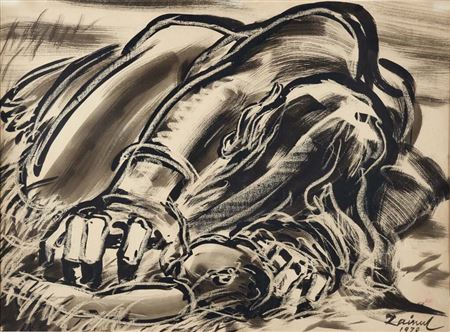
1914 Mymensingh, British India - 1976. Known for: Figure painting, ink sketches of famine horror, modernist art.
Zainul Abedin was a painter and a political activist involved in the development and advocacy of fine arts in his country from the end of the British colonial era through the tumultuous decades of... Read full biography
Zainul Abedin was a painter and a political activist involved in the development and advocacy of fine arts in his country from the end of the British colonial era through the tumultuous decades of Bangladesh's infancy. He is also considered by many to be the most foundational figure in Modern... Read full biography
Zainul Abedin was a painter and a political activist involved in the development and advocacy of fine arts in his country from the end of the British colonial era through the tumultuous decades of Bangladesh's infancy. He is also considered by many to be the most foundational figure in Modern Bangladeshi art. His best-known works are his sketches in Chinese ink on simple packing paper portraying the horrors of the great Bengal famine of 1943—a catastrophe that killed at least 3 million people,... Read full biography
Zainul Abedin was a painter and a political activist involved in the development and advocacy of fine arts in his country from the end of the British colonial era through the tumultuous decades of Bangladesh's infancy. He is also considered by many to be the most foundational figure in Modern Bangladeshi art. His best-known works are his sketches in Chinese ink on simple packing paper portraying the horrors of the great Bengal famine of 1943—a catastrophe that killed at least 3 million people, due in large part to British food diversion and hoarding. Still, his work transcends the strictly political, attaining a broader humanism that is timeless and cross-cultural. Abedin studied painting at the Government School of Art in Calcutta from... Read full biography
Zainul Abedin was a painter and a political activist involved in the development and advocacy of fine arts in his country from the end of the British colonial era through the tumultuous decades of Bangladesh's infancy. He is also considered by many to be the most foundational figure in Modern Bangladeshi art. His best-known works are his sketches in Chinese ink on simple packing paper portraying the horrors of the great Bengal famine of 1943—a catastrophe that killed at least 3 million people, due in large part to British food diversion and hoarding. Still, his work transcends the strictly political, attaining a broader humanism that is timeless and cross-cultural. Abedin studied painting at the Government School of Art in Calcutta from 1933 to 1938 and, in 1948, helped found the Government Institute of Arts and Crafts (now the Institute of Fine Arts) in Dhaka, the first mode... Read full biography