Page loaded successfully. Showing biography for Alfred Agate.
Alfred Agate BIOGRAPHY
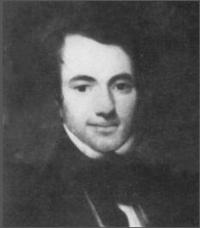
1812 Sparta, New York - 1846 Washington District Of Columbia. Known for: Wilkes expedition sketches, miniature painting.
A painter, illustrator and expedition artist, Alfred Agate learned at an early age to paint from his older brother Frederick Styles Agate, portrait and historical painter. Alfred later went on to... Read full biography
A painter, illustrator and expedition artist, Alfred Agate learned at an early age to paint from his older brother Frederick Styles Agate, portrait and historical painter. Alfred later went on to study with Thomas Seir Cummings, and by the late 1830's, was exhibiting his work at the National... Read full biography
A painter, illustrator and expedition artist, Alfred Agate learned at an early age to paint from his older brother Frederick Styles Agate, portrait and historical painter. Alfred later went on to study with Thomas Seir Cummings, and by the late 1830's, was exhibiting his work at the National Academy of Design in New York, establishing himself as a skilled painter in oils. Already an active miniaturist, Agate was engaged by the United States Government in 1838-1942 as an official portrait and... Read full biography
A painter, illustrator and expedition artist, Alfred Agate learned at an early age to paint from his older brother Frederick Styles Agate, portrait and historical painter. Alfred later went on to study with Thomas Seir Cummings, and by the late 1830's, was exhibiting his work at the National Academy of Design in New York, establishing himself as a skilled painter in oils. Already an active miniaturist, Agate was engaged by the United States Government in 1838-1942 as an official portrait and botany artist. As part of the Charles Wilkes expedition, he explored the West Coast of America, Australia, the Antarctic and along the coast of South America, and the South Pacific. Starting in 1838, the Wilkes Expedition was given the task to survey... Read full biography
A painter, illustrator and expedition artist, Alfred Agate learned at an early age to paint from his older brother Frederick Styles Agate, portrait and historical painter. Alfred later went on to study with Thomas Seir Cummings, and by the late 1830's, was exhibiting his work at the National Academy of Design in New York, establishing himself as a skilled painter in oils. Already an active miniaturist, Agate was engaged by the United States Government in 1838-1942 as an official portrait and botany artist. As part of the Charles Wilkes expedition, he explored the West Coast of America, Australia, the Antarctic and along the coast of South America, and the South Pacific. Starting in 1838, the Wilkes Expedition was given the task to survey the Pacific Ocean. The party arrived in Honolulu in September 1820, where repairs to the ships took longer than expected,... Read full biography
Artist Biography
Biography page for Alfred Agate ((1812 - 1846)), known for Wilkes expedition sketches, miniature painting. Showing 1 biographical entries and 0 sample artworks.
Alfred Agate - Artist Info
About Alfred Agate
Biography from the Archives of askART
A painter, illustrator and expedition artist, Alfred Agate learned at an early age to paint from his older brother Frederick Styles Agate, portrait and historical painter. Alfred later went on to study with Thomas Seir Cummings, and by the late 1830's, was exhibiting his work at the National Academy of Design in New York, establishing himself as a skilled painter in oils.
Already an active miniaturist, Agate was engaged by the United States Government in 1838-1942 as an official portrait and botany artist. As part of the Charles Wilkes expedition, he explored the West Coast of America, Australia, the Antarctic and along the coast of South America, and the South Pacific. Starting in 1838, the Wilkes Expedition was given the task to survey the Pacific Ocean. The party arrived in Honolulu in September 1820, where repairs to the ships took longer than expected, so it was decided to winter in Hawaii, and explore the volcanoes there. The Hawaiian King, Kamehameha III, assigned the American medical missionary Dr. Gerrit P. Judd to serve the expedition as a translator.
Wilkes sailed to Hilo, on the island of Hawaii, where he began a climb of the volcano, Mauna Loa, hiring 200 porters.
While with the Wilkes Expedition, Agate created an enduring record of traditional cultures, including dress and tattoo patterns of natives of Hawaii and the Pacific. He painted many portraits of people including royalty such as King Kamehameha III, Hawaiian historian David Malo, and members of the Honolulu mission. Author David Forbes wrote that the portrait of King Kamehameha III "is without a doubt his masterpiece".
His drawings of this expedition were later published in a collection of twenty-six volumes of reports from the expedition.
In 1842, Agate returned to America and settled in Washington D.C. where he continued his government work for the Bureau of Engraving. His work was shown at the National Museum of National History and the New York Historical Society. Agate died in 1846 of consumption.
Sources include:
Edan Hughes, "Artists in California, 1786-1940"
history.navy.mil/ac/exploration/wilkes/agate